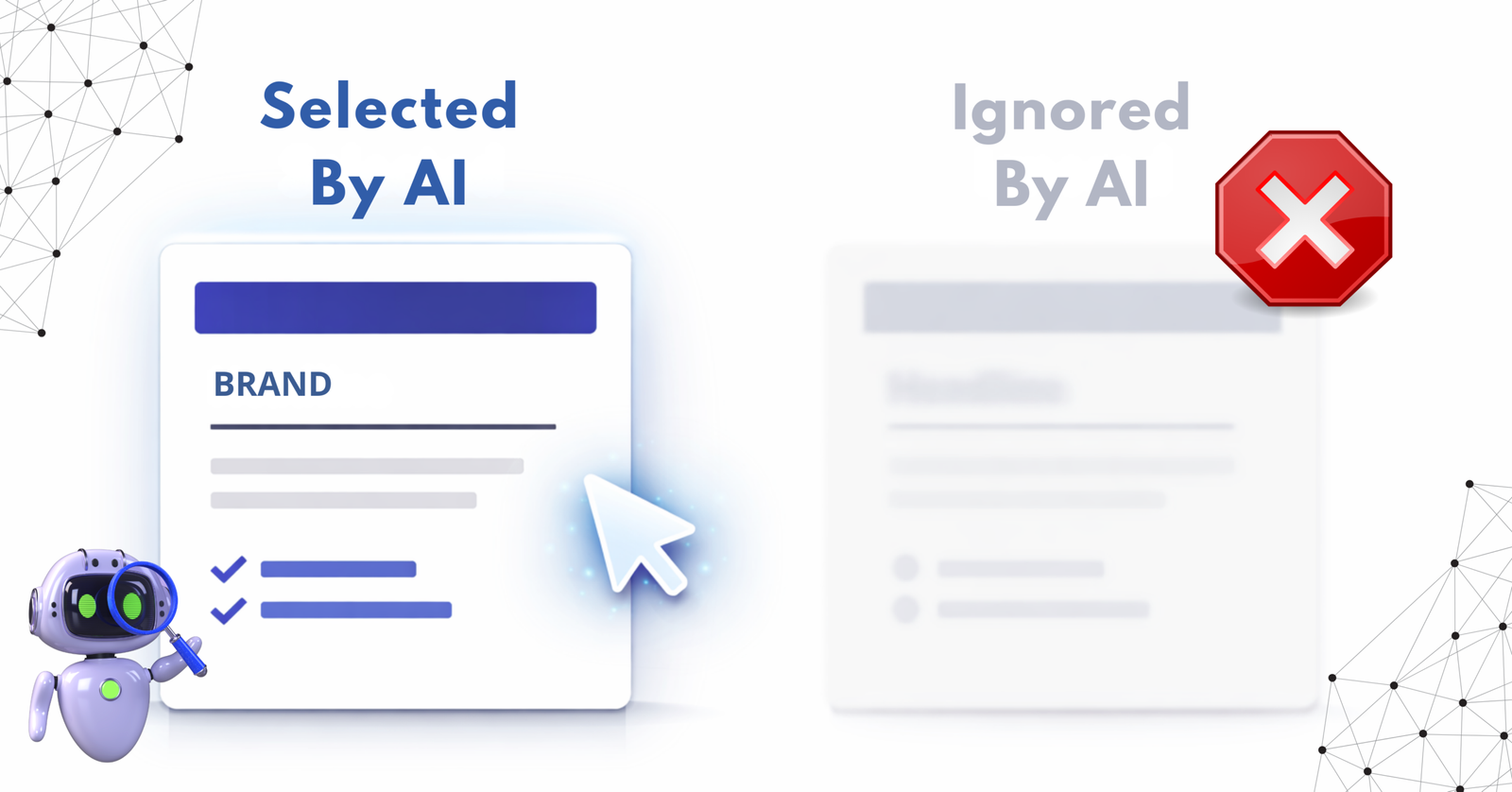
Search visibility no longer works the way most brands expect. Many companies still ranking on traditional search pages are quietly disappearing from AI-powered results, while lesser-known brands seem to appear everywhere — in AI summaries, conversational answers, and knowledge panels. This is not a coincidence. It is the result of a growing AI Visibility Gap.
AI-driven search systems do not surface content the same way traditional algorithms did. They are not focused on listing options. They are focused on selecting sources. In that selection process, some brands are repeatedly chosen while others are ignored, regardless of size or authority.
For marketers and publishers, this creates a confusing reality. Traffic reports look stable, rankings still exist, yet brand presence in AI-driven discovery feels inconsistent or absent.
Understanding why this gap exists — and how to close it — is now critical for any brand that wants to remain discoverable in an AI-first search ecosystem.
What the AI Visibility Gap Really Means
The AI visibility gap refers to the growing divide between brands that are consistently surfaced by AI search systems and those that are rarely referenced or cited.
This gap reflects a broader move towards the Generative Engine Optimization (GEO).
Unlike traditional search engines that displayed multiple results, AI systems often:
- Generate a single synthesized answer
- Reference a limited number of sources
- Reuse trusted brands repeatedly across queries
This creates a winner-takes-most environment, where visibility compounds for some brands while others fade from view.
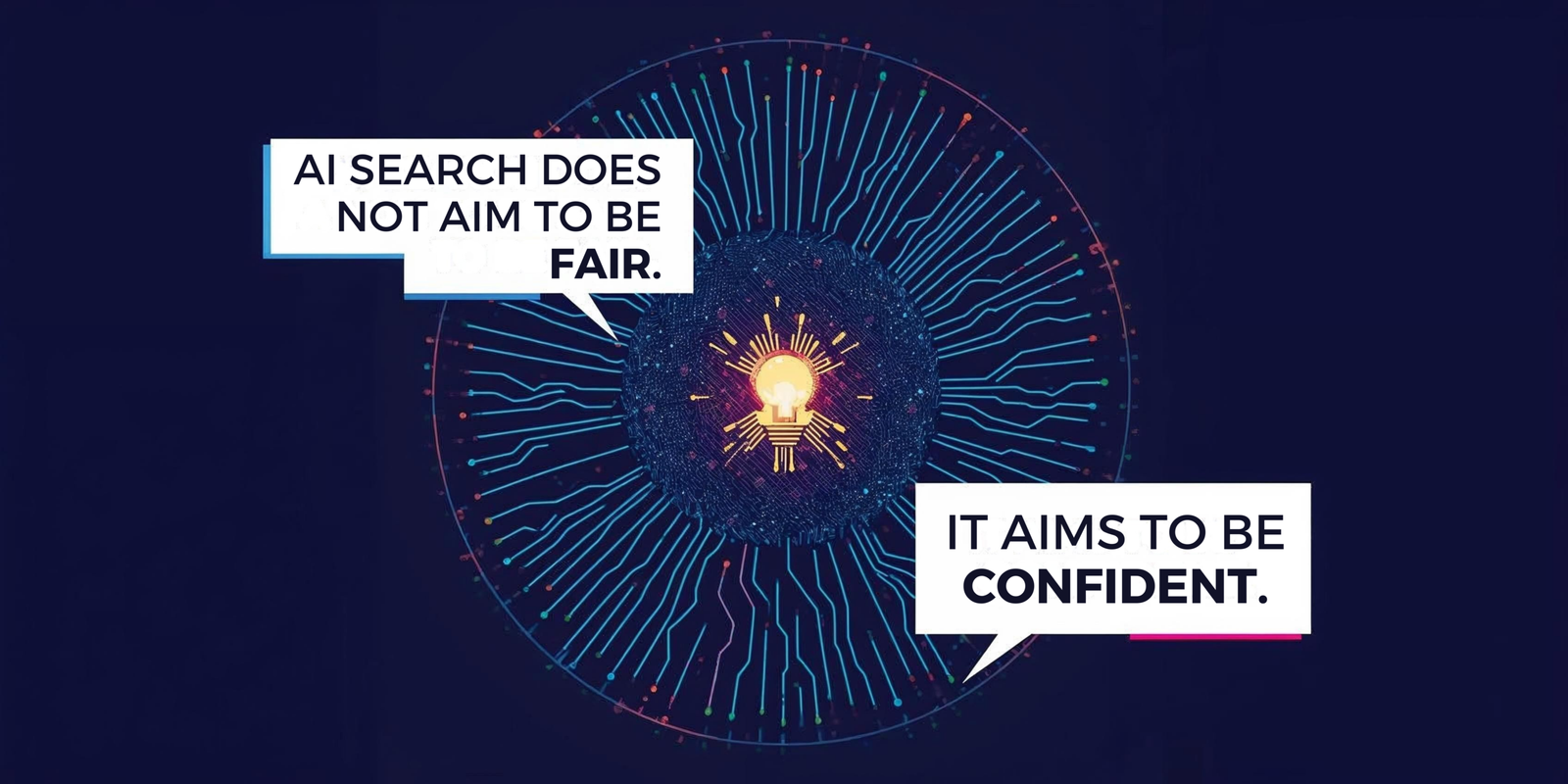
Why Traditional SEO Signals Are No Longer Enough
For years, brands relied on backlinks, keyword rankings, and domain authority as primary visibility drivers. While these signals still matter, they are no longer sufficient on their own. Because, the AI-driven answers reduce the need to click through results, building on what zero-click search has already changed in traditional SEO.
AI systems evaluate content differently now. They prioritize:
- Contextual relevance over keyword repetition
- Concept clarity over page volume
- Demonstrated understanding over surface-level coverage
A brand with thousands of pages can lose visibility if those pages lack cohesion or depth. Meanwhile, a smaller website with focused expertise can become a preferred source. This in simple terms mean that brands with small websites but focused clarity and intent can beat brands with big websites.
This is why many established brands feel invisible despite “doing SEO right.”
How AI Systems Decide Which Brands Exist
AI search engines build internal models of trust, relevance, and usefulness. These models influence which brands are referenced when answers are generated.
Key AI evaluation factors include:
- Topical consistency: Repeated coverage of a subject with depth
- Language patterns: Clear, explanatory, human-like writing
- Structural clarity: Content that is easy to scan and extract meaning from
- Experience signals: Insights that reflect real understanding, not generic summaries
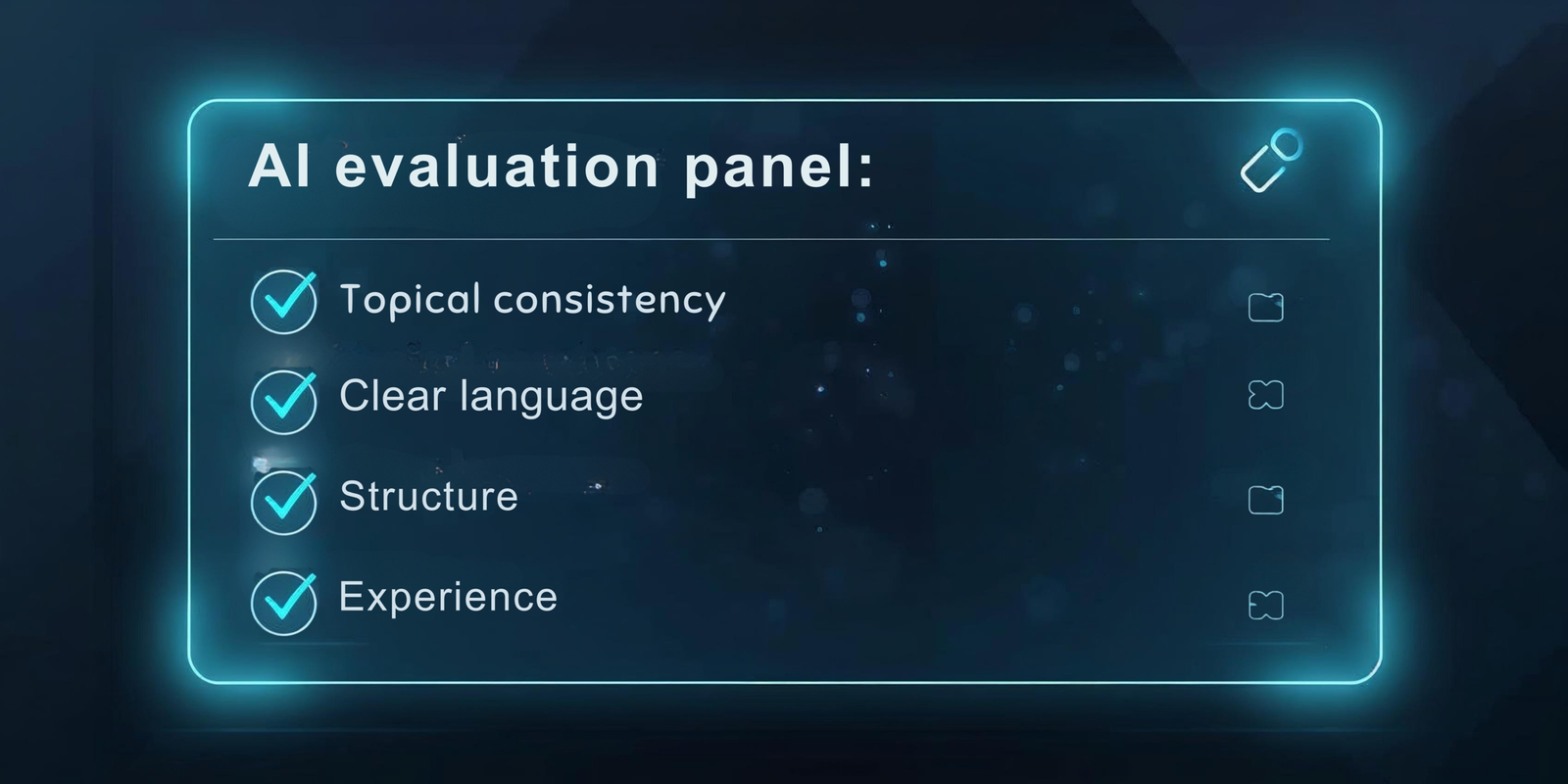
AI does not ask who is biggest. It asks who explains this best.
Over time, brands that consistently meet these criteria become part of AI’s “known sources,” while others are filtered out.
The Role of Concept Authority in AI Visibility
One of the biggest shifts in AI search is the move away from page-level evaluation toward concept-level understanding.
AI systems do not treat each page as an isolated asset. They evaluate how well a brand understands and explains a topic across multiple pieces of content.
Brands that demonstrate:
- A clear thematic focus
- Logical internal linking
- Consistent terminology and framing
are easier for AI to classify and trust.
This is why broad, unfocused content strategies often dilute AI visibility instead of improving it.
Why Some Brands Appear Everywhere at Once
When a brand is repeatedly selected by AI systems, its visibility compounds quickly.
This happens because:
- AI models reuse previously trusted sources
- Recognition builds faster than discovery
- Familiar brands are safer references for AI
Once a brand becomes part of an AI system’s preferred knowledge base, it may appear across multiple queries, platforms, and formats. Even the brands with smaller websites will be beating big players by focusing on clarity, intent, and experience instead of scale.
This creates the illusion that some brands are “everywhere,” even if their marketing spend is modest.
Why Other Brands Disappear Completely
Brands that fail to align with AI evaluation models often experience silent invisibility.
Common reasons include:
- Overproduced but shallow content
- Excessive keyword targeting without clear intent
- Fragmented topic coverage across unrelated categories
- Outdated formatting that AI struggles to parse
In these cases, AI does not penalize the brand. It simply ignores it.
This is more dangerous than ranking drops because the disappearance is harder to detect.
The Impact of the Visibility Gap on Business Growth
The AI visibility gap has real consequences beyond traffic numbers.
Brands that are consistently surfaced by AI benefit from:
- Increased brand recall
- Higher trust perception
- Stronger influence in decision-making moments
Meanwhile, invisible brands lose mindshare, even if their products or services are competitive.
As AI search becomes more integrated into user journeys, this gap will directly affect revenue, authority, and long-term relevance.
How to Reduce the AI Visibility Gap
Closing the AI visibility gap does not require more content. Rather, it requires aligning with AI-powered SEO strategies for 2026.
Effective strategies include:
- Focusing on one core topic cluster before expanding
- Writing problem-first content that answers real questions
- Using structured formatting with clear headings and summaries
- Strengthening internal links to reinforce topical relationships
Brands should also audit existing content for redundancy and clarity, removing pages that dilute overall understanding.
Precision now matters more than scale.
Building AI-Ready Content Without Losing the Human Touch
AI-friendly content does not mean robotic writing. In fact, AI systems increasingly favor human-sounding explanations.
Strong content today balances:
- Conversational tone
- Clear logic and flow
- Practical examples or frameworks
- Direct answers without unnecessary filler
Brands that write to educate, not impress, tend to perform better in AI-driven discovery.
What the Visibility Gap Signals About the Future of Search
The AI visibility gap is not a temporary anomaly. It reflects a structural change in how information is selected and presented.
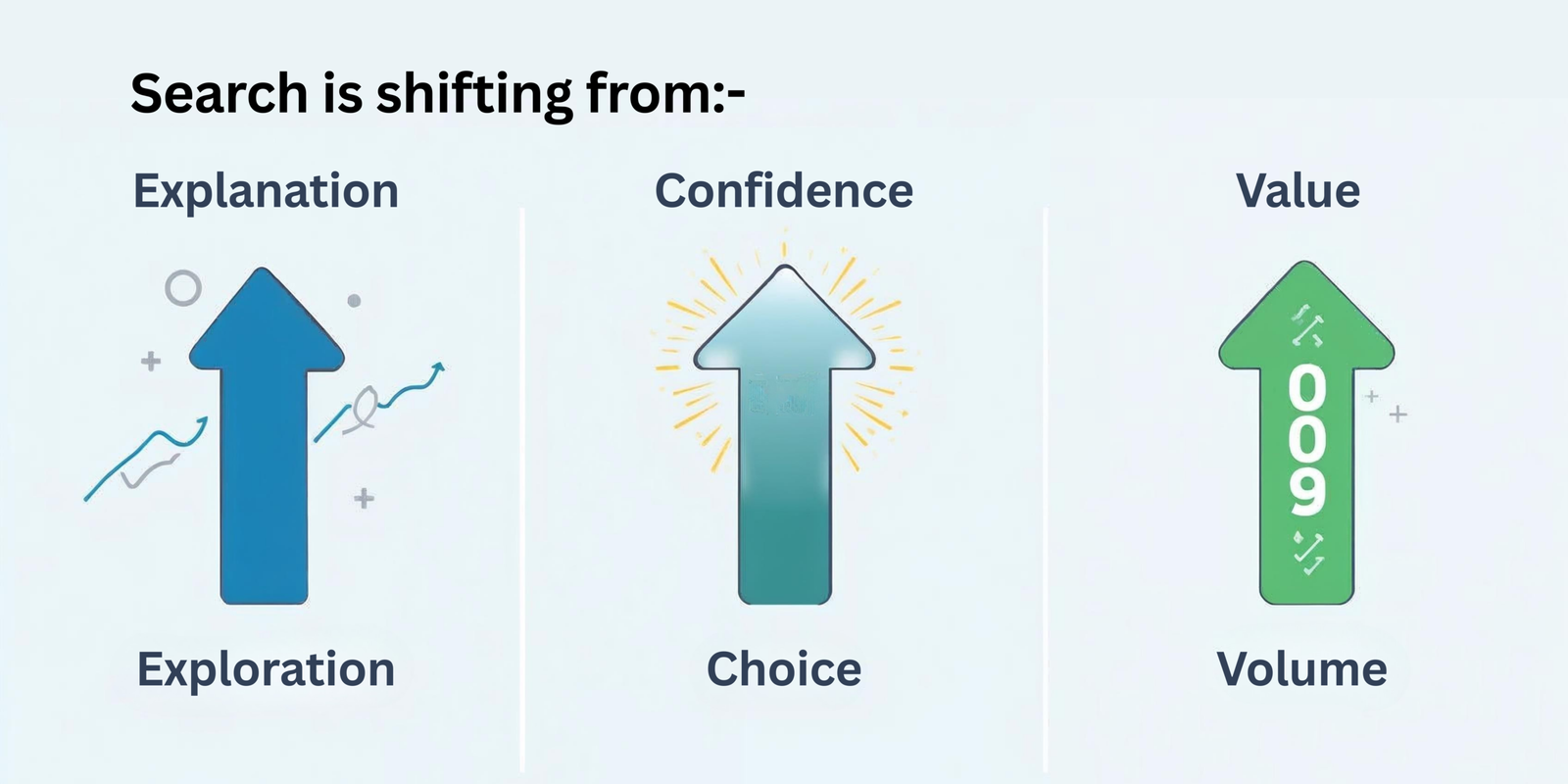
In this environment, visibility will be earned through clarity, consistency, and trust — not through scale alone.
Brands that adapt early will benefit from sustained presence. Those that rely on outdated playbooks will continue to fade, even if their traditional metrics look healthy.
Closing Thoughts
The visibility gap explains why some brands feel omnipresent in AI search while others struggle to be seen at all. It is not about who publishes more or spends more. It is about who communicates more clearly and consistently.
AI systems reward brands that demonstrate understanding, structure, and relevance over time. Closing the gap requires a strategic shift — from chasing rankings to building recognition.
For brands willing to adapt, the opportunity is significant. AI search is still forming its trusted sources. Those who align now will shape visibility for years to come.
To explore more insights on AI search behavior, content strategy, and the evolving search landscape, continue reading Digital Pocket News’ SEO and stay ahead of what search is becoming — not what it used to be.