Email marketing has evolved far beyond newsletters and promotional blasts. As we move into 2026, inboxes are more crowded, audiences are more selective, and the email marketing hacks that actually work are AI driven. This basically means that AI is reshaping how brands communicate. Yet, email remains one of the highest-ROI digital channels when executed strategically.
The real challenge today is not whether to use email marketing, but how to make it intelligent, personalized, and relevant at scale. Traditional batch-and-blast campaigns are losing effectiveness, while AI-driven, behavior-based emails are setting new performance benchmarks.
In a world where B2B decision-makers expect timely, value-focused communication, brands must rethink their approach. Just like a Digital Marketing Checklist helps structure overall strategy, modern email marketing requires a clear system that blends data, automation, and human insight.
This guide breaks down Email Marketing Hacks for 2026, focusing on practical, future-ready techniques that align with AI innovation and current market behavior—without sounding robotic or salesy.
Why Email Marketing Still Dominates in 2026
Despite the rise of social platforms, communities, and AI search, email continues to outperform many channels in conversion and retention.
Key reasons email remains critical:
- Direct access to your audience without algorithm dependency
- Higher intent compared to social media engagement
- Full control over messaging, timing, and personalization
- Seamless integration with automation and CRM tools
For brands focused on Digital Marketing for B2B, email plays a vital role in nurturing leads, educating prospects, and supporting long sales cycles.
AI-Powered Personalization Is No Longer Optional
In 2026, personalization goes far beyond using a first name in the subject line. AI now enables real-time, predictive personalization based on behavior, intent, and lifecycle stage.
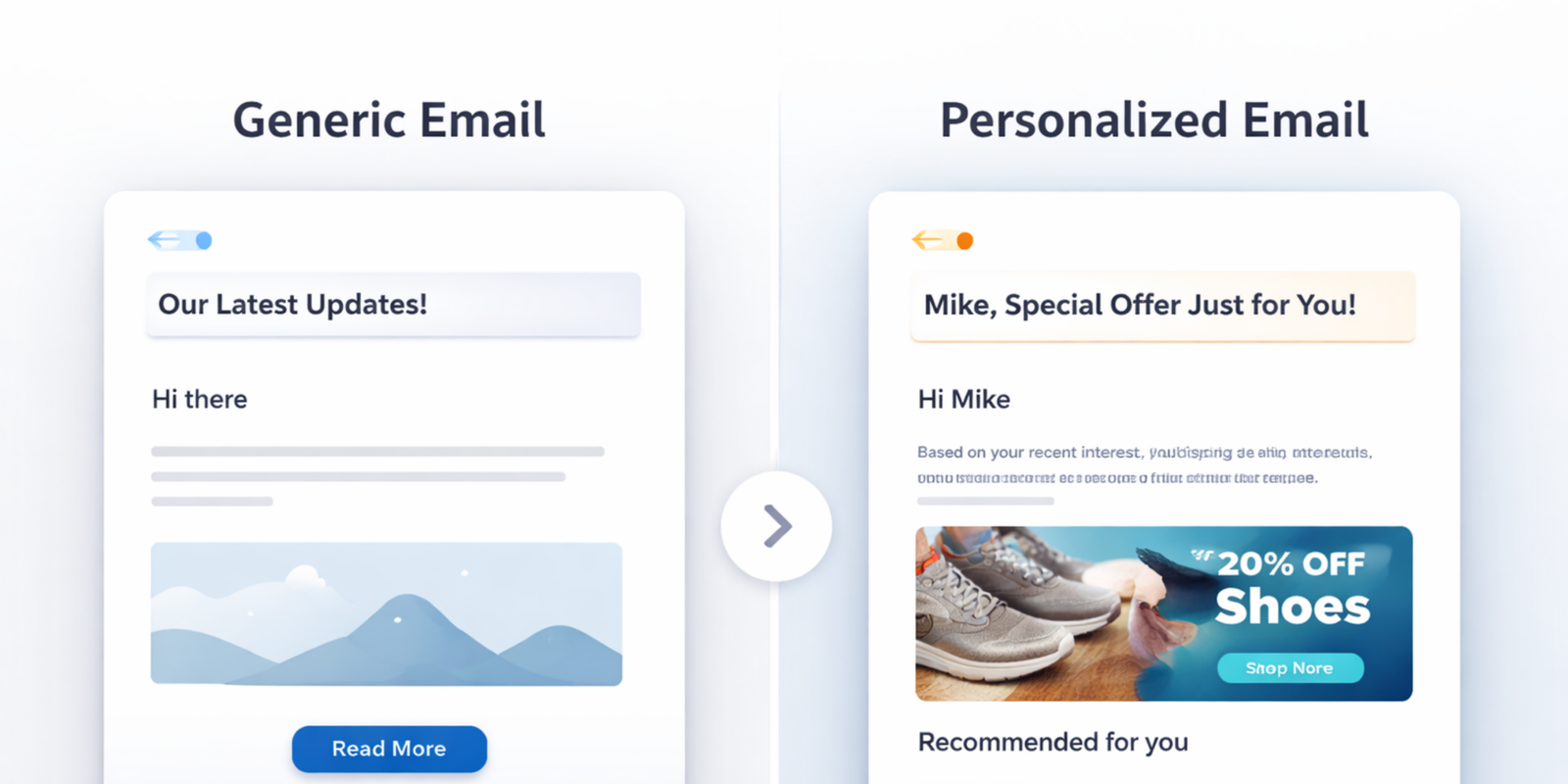
Advanced personalization includes:
- Dynamic content blocks that change per user
- Predictive send-time optimization
- AI-generated subject lines based on engagement history
- Personalized CTAs depending on funnel stage
For B2B Digital Marketing, this means sending fewer emails—but making every email far more relevant and timely.
Predictive Segmentation Beats Static Lists
Static segmentation based on age, location, or job title is outdated. In 2026, smart segmentation is behavior-led and AI-assisted.
Modern segmentation uses:
- Website interaction data
- Email engagement patterns
- Purchase or inquiry intent signals
- Content consumption behavior
Instead of asking “Who is this user?”, marketers now ask “What is this user likely to do next?”
This approach aligns closely with structured planning frameworks like a Digital Marketing Checklist, ensuring email supports broader campaign goals.
Hyper-Relevant Email Journeys, Not One-Off Campaigns
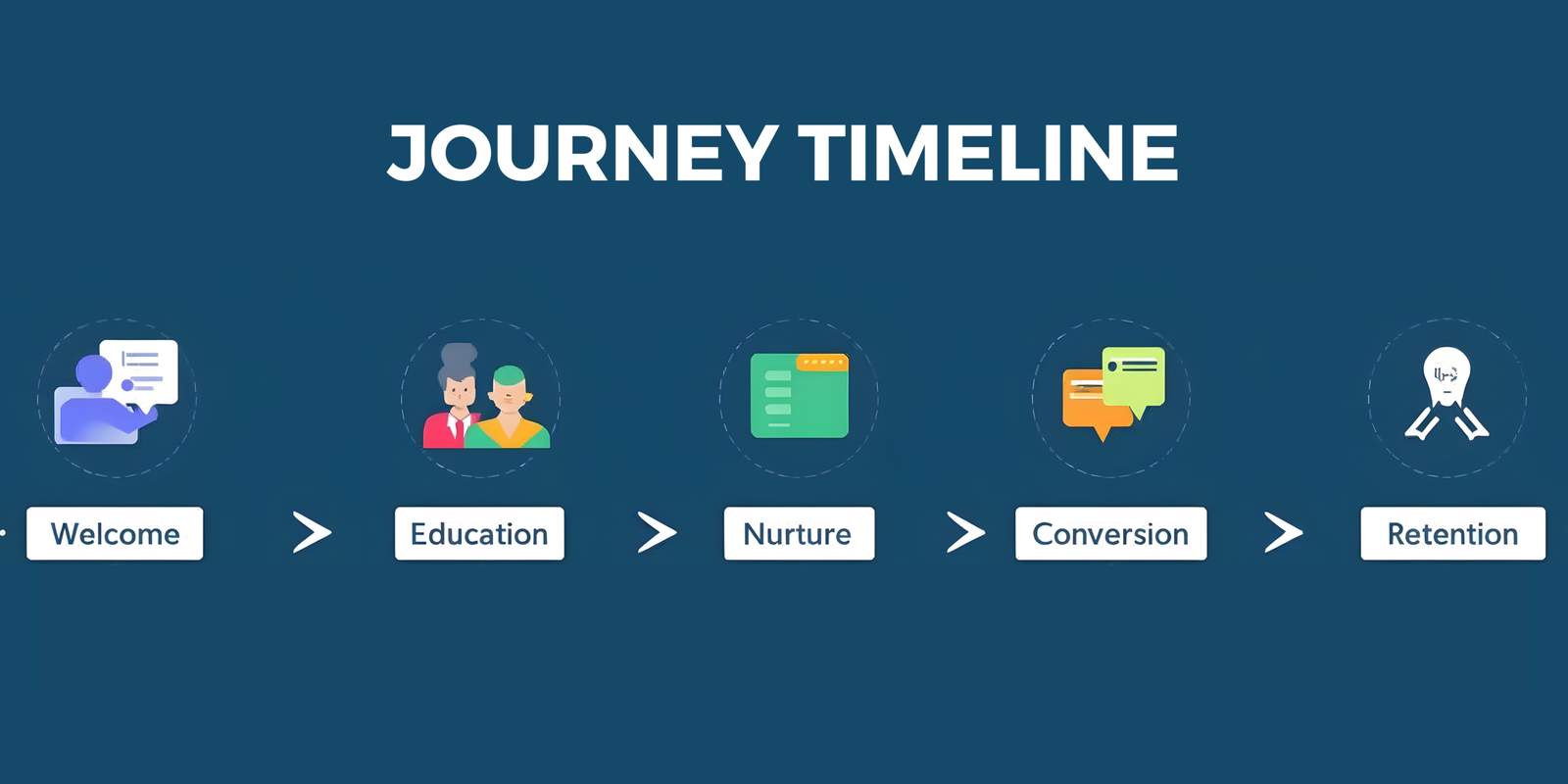
Email success in 2026 is driven by journeys, not isolated campaigns. Automated workflows now adapt dynamically based on user behavior.
High-performing email journeys include:
- Welcome sequences with adaptive content
- Lead nurturing flows tied to content engagement
- Re-engagement journeys triggered by inactivity
- Post-conversion education and upsell sequences
For Digital Marketing for B2B, these journeys help build trust gradually, which is essential in high-value decision cycles.
Interactive Emails Drive Higher Engagement
Static emails struggle to hold attention in 2026. Interactive elements now play a major role in boosting engagement and time spent.
Popular interactive email elements:
- In-email polls and surveys
- Accordion-style content blocks – i.e., structured content
- Embedded calendars for booking calls
- Click-based preference selectors
These features turn emails into micro-experiences, making them more engaging without forcing users to leave their inbox.
Privacy-First Email Strategies Are a Competitive Advantage
With stricter data regulations and growing privacy awareness, email marketing hacks can help balance personalization with compliance.
Best practices for 2026 include:
- Transparent data usage messaging
- Consent-based personalization
- First-party data prioritization
- Reduced dependency on third-party tracking
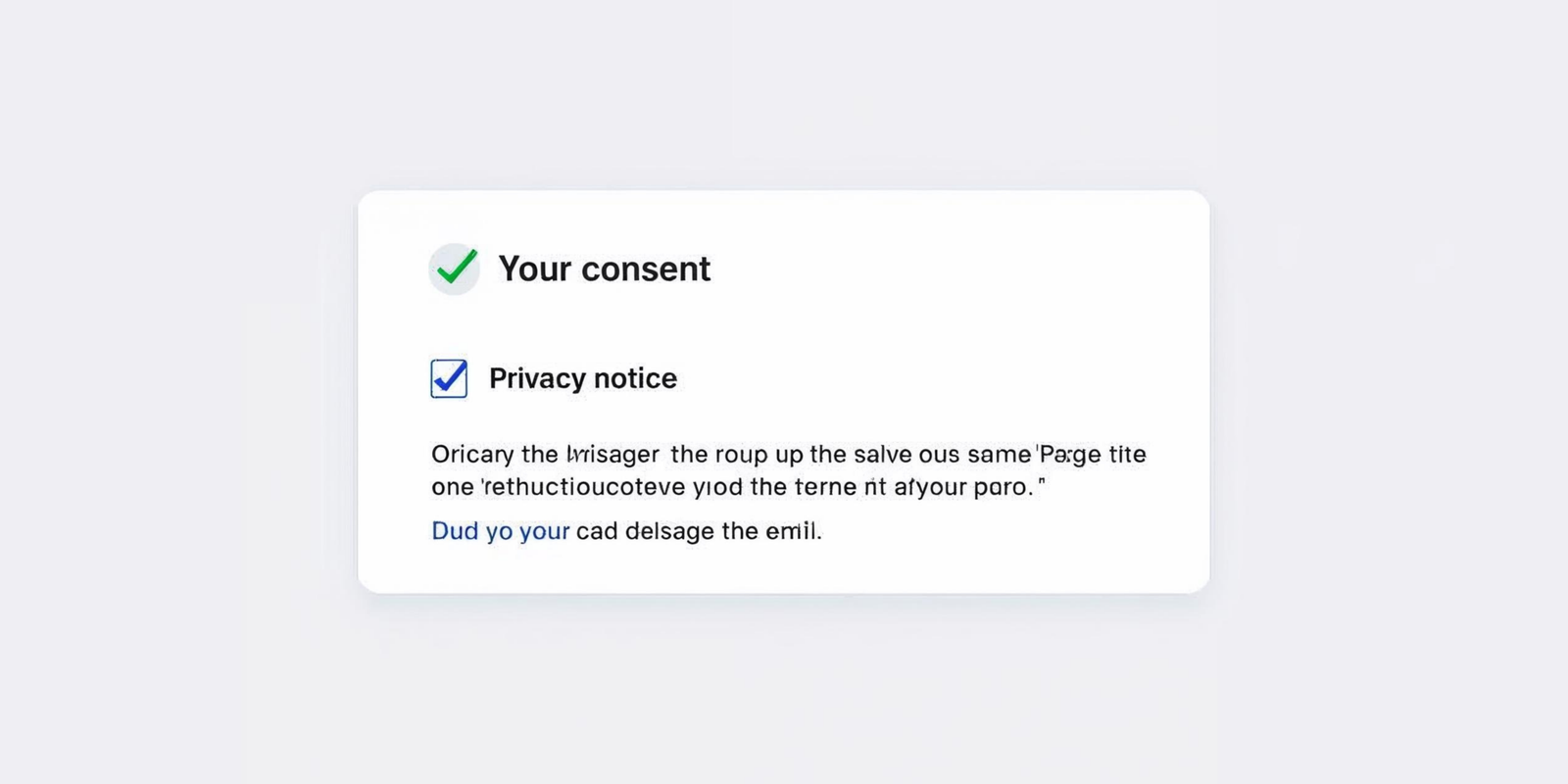
Brands that respect privacy build stronger long-term relationships, especially in B2B Digital Marketing, where trust is non-negotiable.
AI-Optimized Subject Lines and Copywriting
AI is now a co-writer, not a replacement. In 2026, the most effective teams use AI to enhance human creativity.
AI helps with:
- Subject line A/B testing at scale
- Tone optimization based on audience segment
- Predicting emotional triggers that increase opens
- Improving readability and clarity
The human role remains critical—AI suggests, but strategy decides.
Email Performance Measurement Goes Beyond Open Rates
Traditional metrics like open rates are becoming less reliable due to privacy changes. Modern measurement focuses on meaningful engagement.
Key performance indicators in 2026:
- Click-to-conversion rate
- Engagement depth across journeys
- Revenue per subscriber
- Funnel progression influence
Email analytics now integrate deeply with CRM and analytics platforms, supporting a holistic Digital Marketing Checklist approach.
Align Email Marketing With Total Digital Strategy
Email Marketing Hack is that email works best when integrated with content, SEO, paid ads, and social media—the total digital strategy; similar to total search strategy.
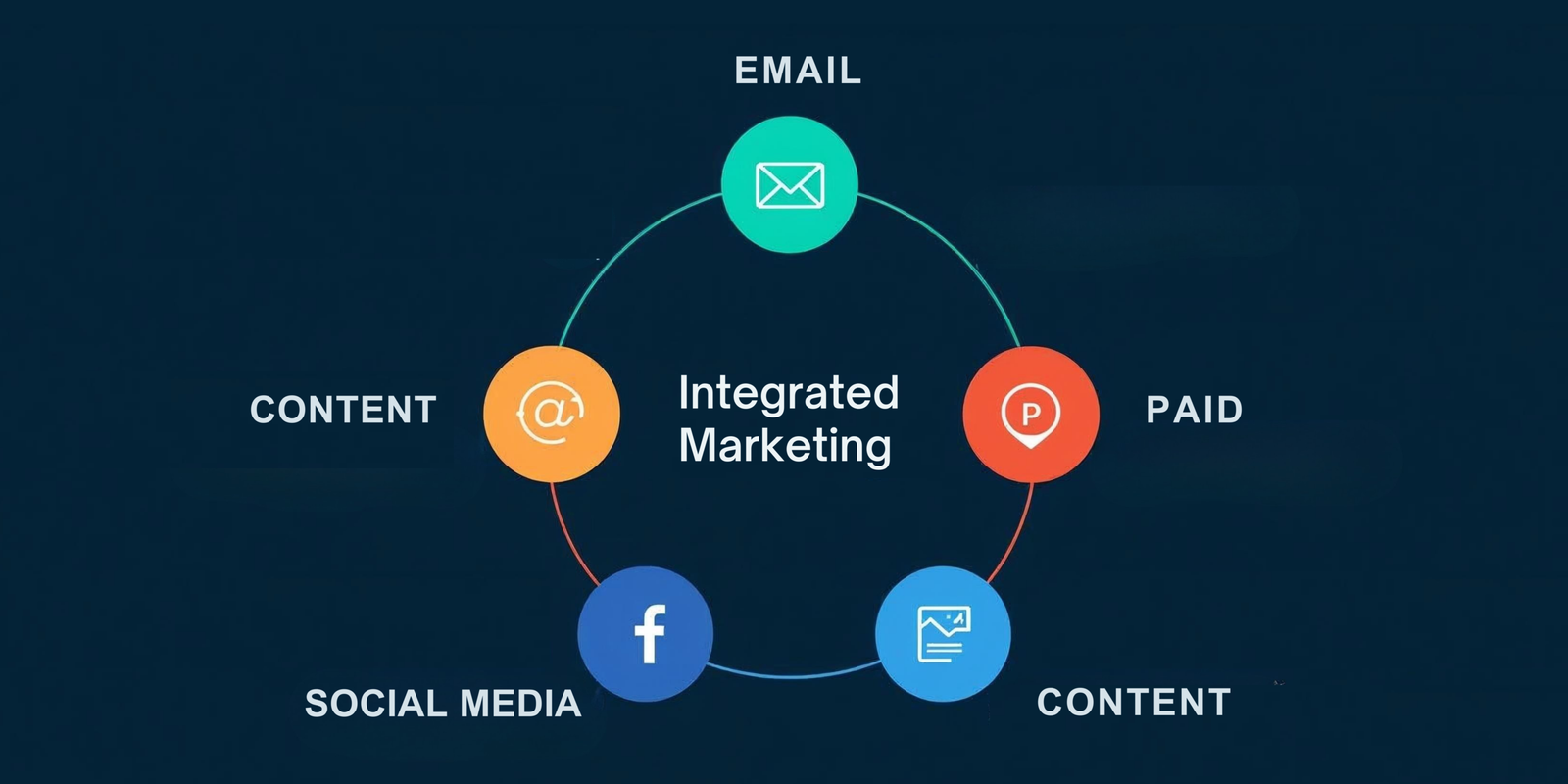
Smart integration examples:
- Email promoting high-performing blog content
- Retargeting ads synced with email engagement
- Lead magnets distributed via email workflows
- Sales team alerts triggered by email behavior
This alignment is especially powerful for Digital Marketing for B2B, where consistency across touchpoints builds credibility.
Conclusion: Smarter Emails, Stronger Relationships in 2026
Email marketing in 2026 is no longer about volume—it’s about intelligence, relevance, and respect for the user. AI has transformed how emails are created, delivered, and optimized, but human strategy remains at the core.
By adopting predictive personalization, behavior-based journeys, privacy-first practices, and integrated measurement, brands can turn email into a long-term growth engine. Whether you’re refining your Digital Marketing Checklist or strengthening B2B Digital Marketing efforts, email remains a channel worth mastering.
To stay ahead, focus less on sending more emails—and more on sending the right emails at the right moment. Explore more insights and future-ready strategies across Digital Pocket News to keep your digital marketing approach competitive and sustainable.