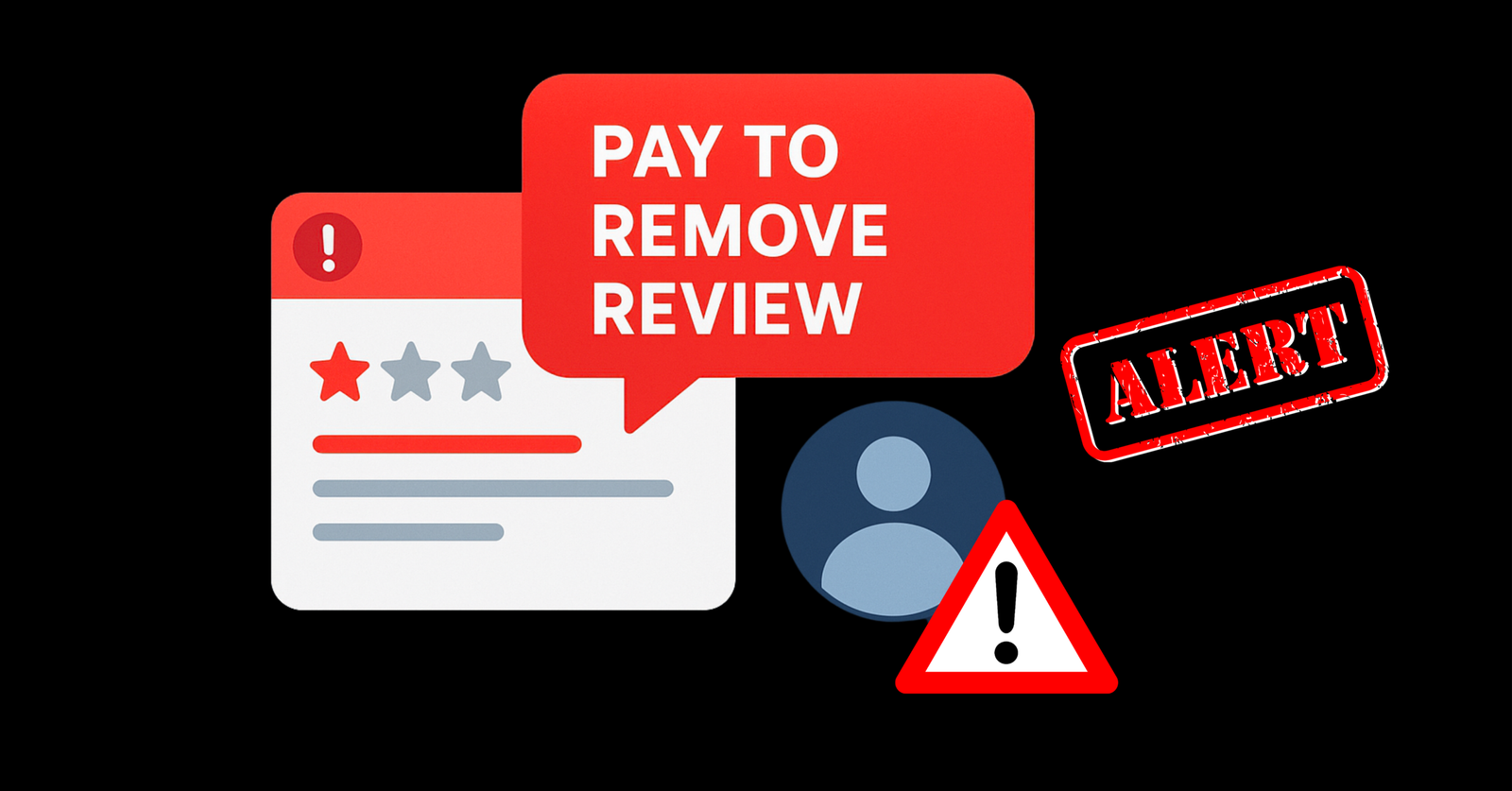
In today’s digital-first marketplace, customers rely heavily on online reviews before choosing a product or service. But what happens when your reputation is attacked not by genuine customers — but by bad actors demanding money in exchange for removing negative ratings?
This growing threat is known as fake review extortion, and it’s affecting thousands of businesses worldwide.
For many business owners, a sudden stream of fake negative reviews can hurt sales, shake customer trust, and feel like a direct attack on everything they’ve built. Understanding how fake review extortion works — and knowing the right steps to protect your business — can help you stop the damage and protect your online reputation before it escalates.
If you’re serious about protecting your brand, you might also want to revisit our guide on content SEO best practices because fake negative reviews unravel content SEO visibility.
What Is Fake Review Extortion?
Fake review extortion, also called negative-review blackmail, happens when someone posts fake 1-star reviews about your business and then demands payment, free services, or compensation in exchange for deleting them.
Typical patterns include:
- Sudden spike in 1-star reviews with little or no detail
- Reviews posted by people who have never been customers
- A follow-up message asking you to contact them privately
- A demand for money or favors to remove the reviews
The goal isn’t feedback — it’s fear. Attackers know online reputation influences customers, and they use this pressure to force business owners into paying.
Fake review extortion is particularly harmful for local and small businesses that rely on Google Business Profile or review platforms to attract customers.
Why Fake Reviews Are a Serious Risk for Businesses
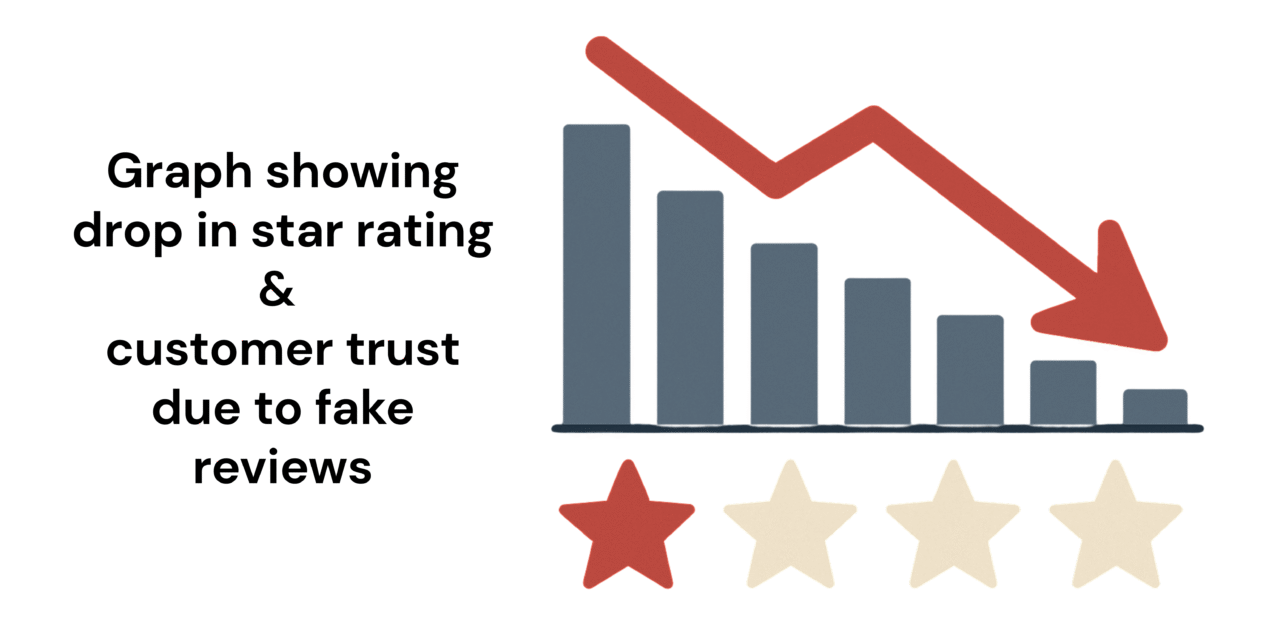
Fake reviews don’t just lower your rating — they can disrupt your entire business.
Business Impact
- Loss of customer trust
- Drop in calls, bookings, and foot traffic
- Unfair competitive disadvantage
Legal + Platform Risks
Fake review extortion can escalate into:
- Fraud
- Harassment
- Unfair business interference
Unfortunately, many review platforms don’t catch fake reviews immediately, making it critical for business owners to act fast.
How to Recognize Fake Review Extortion Early
Watch for these red flags:
- Multiple low-rating reviews posted within hours or days
- No details about the purchase or service experience
- Anonymous profiles with little history
- Reviewers pressuring you to “resolve the issue privately” off-platform
- Demands for money, vouchers, or discounts to remove reviews
Spotting these warning signs early makes it easier to document and report the violation.
Tracking user behavior and traffic sources properly helps you spot unusual spikes or referral fraud — check out how to use analytics data effectively.
How to Fight Back and Protect Your Online Reputation
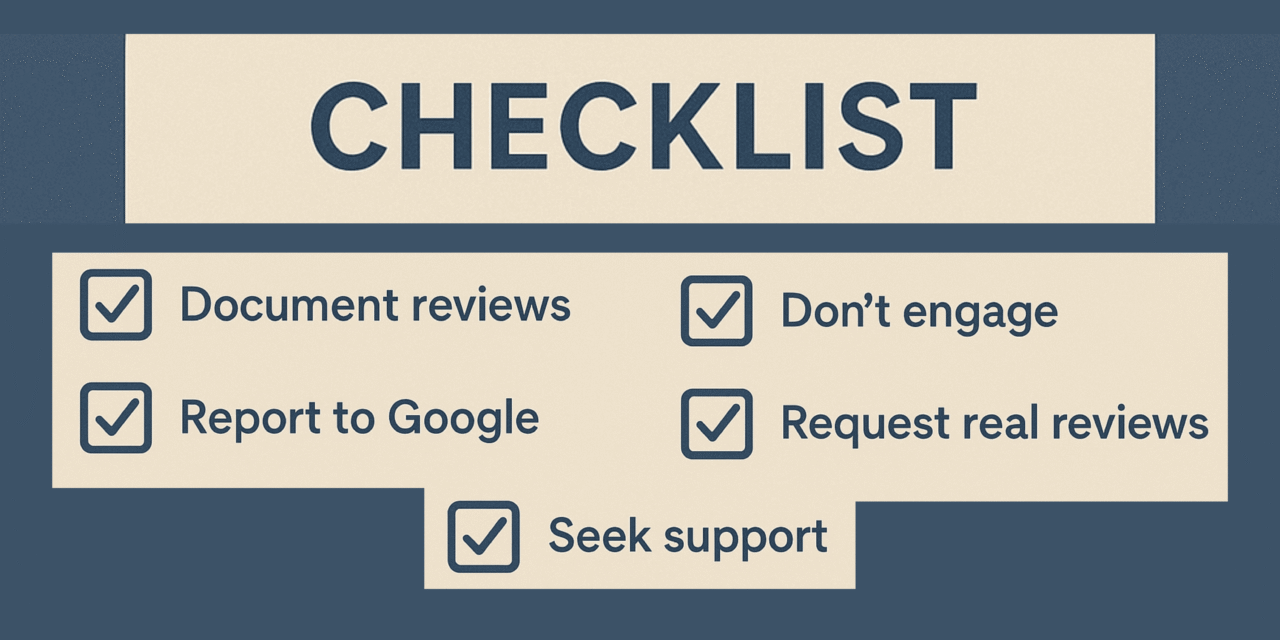
Document Everything
- Screenshot all fake reviews (with timestamps)
- Copy reviewer profiles + URLs
- Save messages requesting payment or compensation
→ Documentation is useful when reporting to Google or legal channels.
Report the Fake Reviews on the Platform
Use tools like Google Business Profile → Flag as inappropriate
Select the closest category: Fake / Spam / Conflict of Interest.
Provide your documentation if required to speed up removal.
Do Not Engage or Pay the Extortionist
Responding or paying only invites more harassment.
Stick to documentation and platform reporting.
Request Genuine Customer Reviews
A steady stream of real reviews helps:
- Dilute fake ones
- Restore trust (Because the New SEO Strategy is Trust instead of Traffic)
- Strengthen ranking in the long term
Seek Legal or Reputation Management Support (If Needed)
For recurring or large-scale attacks, specialized help can speed up resolution and prevent future threats.
If you’re trying to rebuild after a reputation hit, combining many leading SEO tools and tactics can help — see our list of top SEO tools.
Preventing Future Fake Review Extortion
You can reduce long-term risk with simple practices:
- Ask real customers for reviews consistently
- Monitor your Google Business Profile weekly
- Educate your staff on how to identify fake reviews
- Maintain clear records of customers and transactions
→ If a suspicious review appears, you can quickly prove it’s not a real customer.
What NOT to Do (Important)
To avoid worsening the situation:
- Don’t contact the reviewer directly
- Don’t threaten the reviewer publicly
- Don’t respond emotionally in the comments
- Don’t encourage friends to write “counter-fake” reviews
These actions can make removal harder and hurt your business credibility.
Conclusion
Fake review extortion is a rising threat in a world where online ratings influence purchasing decisions. But businesses are not powerless. By recognizing the signs, documenting evidence, reporting fake reviews correctly, refusing to pay extortionists, and strengthening your genuine review profile, you can protect — and even improve — your online reputation.

Staying proactive is the strongest defense.
Safeguard your business now, not after fake reviews damage your brand.