1. Master Social Media Marketing
First and foremost, social media is completely free to use. Platforms like Facebook, Instagram, and TikTok let you reach thousands of people without spending money.
Start by creating quality content that your audience actually wants to see. Share helpful tips, behind-the-scenes videos, and customer stories. Post regularly and talk with your followers. This simple approach builds real connections.
Blog content can also help with SEO, build trust, and demonstrate your expertise. Post consistently and engage with your audience. This can help more people discover your content.

2. Create Valuable Blog Content
Blogging is one of the most cost-effective ways to attract customers online. When you write helpful articles about your industry, search engines like Google notice. This means more people find you when searching for solutions you offer.
Moreover, blog content serves multiple purposes. It helps with SEO, builds trust with readers, and establishes you as an expert. Start with one article per week. Focus on answering real questions your customers ask.
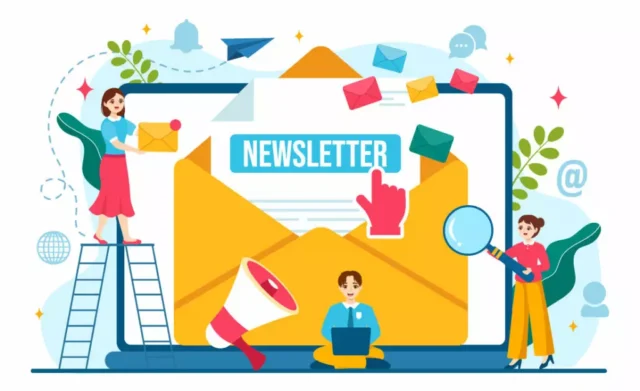
3. Use Email Marketing
Building an email list is one of your most valuable assets. Email marketing has an excellent return on investment. Studies show that every dollar spent on email marketing returns approximately forty dollars.
Therefore, collect emails by offering something valuable. This could be a free guide, discount code, or helpful checklist. Then send regular emails with useful information and special offers.
4. Optimize for Search Engines (SEO)
SEO costs nothing but requires knowledge and effort. By optimizing your website for search engines, you attract free organic traffic.
Here’s what you should do:
- Research keywords related to your business
- Include keywords naturally in your content
- Improve your website speed
- Make your site mobile-friendly
- Build quality backlinks from other websites
Subsequently, these efforts take time to show results. However, the traffic you gain is free and long-lasting.
5. Partner with Influencers on Budget
You don’t need to hire expensive celebrities. Micro-influencers with smaller but engaged audiences often deliver better results at lower costs.
Look for influencers who have:
- An audience related to your niche
- Good engagement
- A smaller but relevant following
- Genuine interaction with followers
6. Run User-Generated Content Campaigns
Encouraging customers to create content about your brand is smart marketing. User-generated content is authentic and builds trust with potential customers.
Besides, it’s practically free to implement. Ask customers to share photos, videos, or reviews using a branded hashtag. Repost the best content on your channels. This strategy strengthens community and provides endless content ideas.
7. Leverage YouTube Videos and Run Low-Cost Ads
YouTube is the second largest search engine after Google. Creating videos doesn’t require expensive equipment anymore.
Also, you can film quality content using just your smartphone. Share tutorials, product reviews, customer testimonials, and industry tips. YouTube videos rank well in Google search results too.
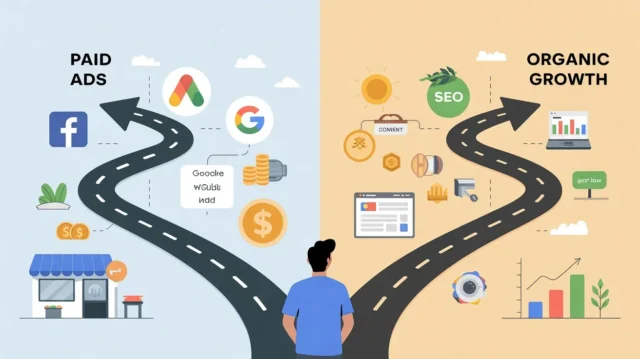
If you do want to try paid ads, start small. Platforms like Facebook and Google Ads let you set a daily budget as low as a few dollars.
The key is targeting. Focus on a specific audience based on location, interests, or behavior instead of trying to reach everyone. This way, even a small budget can bring meaningful results.
8. Build Strategic Partnerships
Collaborating with complementary businesses extends your reach without extra cost. Look for non-competing businesses serving similar customers.
For example, if you sell fitness products, partner with a nutrition company. You can cross-promote each other’s services. This gives both businesses access to new customers at minimal expense.
9. Host Webinars and Live Events
Live events build strong connections with your audience. Webinars let you demonstrate your expertise while gathering leads simultaneously.
Moreover, you can host webinars using free or low-cost tools. Promote your webinar through email and social media. People who attend become warm leads ready to buy.
10. Optimize Your Google Business Profile
If you serve customers in your local area, this is essential. A complete Google Business Profile appears in local search results and Google Maps.
To begin with, claim your business profile. Add accurate information, photos, and regular updates. Encourage satisfied customers to leave reviews. Local SEO brings nearby customers actively searching for your services.
