
A lead is a person or company that shows some interest in what you sell. But interest alone does not mean they will buy.
Qualifying a lead means checking if the prospect has a real chance of becoming a paying customer. When you do this well, you get three big benefits:
You save time. You stop chasing people who will never buy.
You close more deals. Your focus goes to leads with real potential.
You improve your forecasts. A clean pipeline gives you a more honest view of future sales.
In short, good qualification makes everything else in sales easier.
1. Check Whether They Have a Real Need
The first question is simple: does this lead actually need what you offer?
A lead with a clear problem is far more likely to buy. Ask direct questions such as:
- What challenge are you trying to solve?
- What happens if you do nothing?
- How are you handling this today?
If the lead cannot name a problem, they are probably just browsing. On the other hand, if they describe the pain in detail, you have found a strong signal.
2. Confirm They Have the Budget
Even the best-fit lead cannot buy without money. That is why budget matters early.
You do not need an exact number on the first call. Instead, look for hints. Have they bought similar products before? Is the company growing? Are they open to talking about pricing?
If a lead avoids money talk every time, be careful. Also, if your price is far above what they can pay, it is better to know now than after five meetings.
3. Find Out Who Makes the Decision
Many deals die because you talked to the wrong person. A friendly contact who cannot approve a purchase will not help you close.
So ask early: “Who else will be involved in this decision?” Then try to reach the real decision-maker, or at least someone who has influence over them.
A good lead has either buying power or a clear path to the person who does.
4. Look at Their Timeline
Timing can make or break a deal. A lead who wants to solve a problem this month is very different from one who says, “Maybe next year.”
Ask when they plan to make a decision and why that date matters. A real deadline, such as a product launch or contract renewal, shows urgency. Vague answers often mean low priority.
Leads with a short, clear timeline deserve faster follow-up.
5. Check the Fit With Your Product
A lead can have a need, a budget, and a deadline, and still be the wrong customer. Fit is about how well your solution matches their situation.
Compare the lead with your ideal customer profile. Consider:
- Company size and industry
- Location
- Tools they already use
- Typical use cases you serve well
If your best customers are small online stores and the lead is a huge manufacturer, the deal may cause problems later. A good-fit lead is easier to close, easier to serve, and more likely to stay.
6. Watch Their Level of Engagement
Actions speak louder than words. How a lead behaves tells you a lot about their interest.
Positive signs include:
- Replying to emails quickly
- Opening your messages more than once
- Visiting your pricing page
- Asking detailed questions
- Booking and attending meetings
Warning signs include long silences, missed calls, and one-word replies. One slow week is normal. A pattern of low effort is not.
7. Consider Where the Lead Came From
Not all lead sources perform equally. A referral from a happy customer usually converts better than a cold list. Someone who requested a demo is warmer than someone who downloaded a free guide.
Track which channels bring your best customers. Over time, you will see clear patterns, and you can put more effort into the sources that work.
Use Lead Scoring to Make It Easier
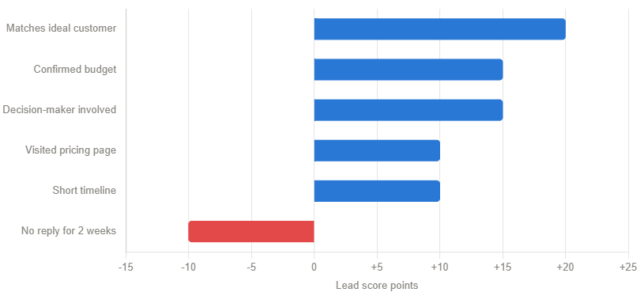
If you handle many leads, checking each one by hand gets tiring. Lead scoring solves this by giving points for good signs.
For example:
- Matches your ideal customer
- Has a confirmed budget
- Decision-maker involved
- Visited the pricing page
- Short timeline points
- No reply for two weeks
Add up the points, and you get a clear score. High scorers get your attention first. Low scorers can go into a slower follow-up plan, such as a monthly email.
You do not need fancy software to begin. A simple spreadsheet works fine, and most CRM tools can automate scoring later.
