Your latest post just crossed 10,000 likes. right? Not so fast — because none of those likes have bought anything from you yet.
This is the trap many businesses fall into. They celebrate likes, shares, and follower counts as if these numbers alone guarantee success. But likes don’t pay invoices. Leads do. So, which one should your business actually care about? Let’s break it down.
What Are Likes, Really?
Likes are a form of social approval. When someone likes your post, it simply means they noticed it and had a small, positive reaction. That’s it. It doesn’t mean they’re interested in buying your product. It doesn’t mean they trust your brand. And it definitely doesn’t mean they’re ready to spend money.
Likes are what marketers call a vanity metric. They look impressive on the surface, but they don’t always connect to real business outcomes. A post can go viral with thousands of likes and still bring in zero sales.
What Are Leads, Then?
A lead is a person who has shown genuine interest in your business. They might have filled out a contact form, signed up for your newsletter, downloaded a free guide, or asked for a price quote. In other words, they’ve taken a real step toward becoming a customer.
Unlike likes, leads represent intent. Someone who gives you their email address or phone number is telling you something important: I want to know more. That’s a much stronger signal than a passive tap on a heart icon.
Why Businesses Get Distracted by Likes
So, why do so many businesses still obsess over likes? The answer is simple — likes are easy to see, easy to track, and instantly satisfying. Every time your notification count goes up, it feels like a small win.
Additionally, social media platforms are designed to keep you focused on engagement numbers. Likes, comments, and shares are front and center on every profile.
Leads, on the other hand, require more effort to track. You need proper tools, landing pages, and follow-up systems. As a result, many small business owners simply default to watching the numbers that are right in front of them.
However, this focus can be misleading. A business can have a highly engaged social media page and still struggle to make sales. That’s because likes measure attention, not action.
The Real Difference: Vanity vs Value
Here’s a simple way to think about it. Likes tell you how many people noticed you. Leads tell you how many people are considering doing business with you.
For instance, imagine two Instagram posts. Post A gets 5,000 likes but no clicks to your website. Post B gets only 200 likes, but 50 people click through and fill out your contact form. Which post actually helped your business grow? Clearly, Post B — even with fewer likes — delivered far more value.
This is why smart marketers now say, Likes are for ego, leads are for revenue. It’s a catchy line, but it holds a lot of truth.
Why Leads Matter More for Long-Term Growth
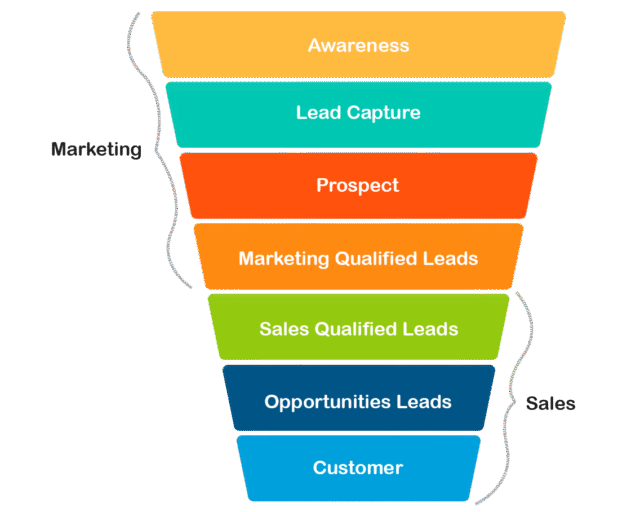
Leads are the first step in your sales funnel. Once you get a lead, you can nurture that relationship through emails, calls, or personalized offers. Over time, many of these leads turn into paying customers.
Moreover, tracking leads gives you real data about your marketing performance. You can see exactly which campaign, ad, or post brought in the most interest. This helps you spend your marketing budget more wisely instead of guessing.
In contrast, likes don’t give you this kind of actionable insight. They tell you what content people enjoyed, but not whether that content actually moved your business forward.
Should You Ignore Likes Completely?
Not necessarily. Likes still serve a purpose. They help build brand awareness and show that your content resonates with your audience. A steady stream of engagement can also improve how social media algorithms treat your future posts, giving you more visibility.
That said, likes should be seen as a stepping stone, not the final goal. Think of them as a starting point in the customer journey — not the destination. The real success happens when that engagement is converted into meaningful action, like a lead or a sale.
How to Shift Your Focus from Likes to Leads
If your business has been chasing likes, here are a few simple ways to pivot toward leads:
- Add clear calls-to-action (CTAs): Every post should guide people toward the next step, whether that’s visiting your website or signing up for a newsletter.
- Use lead magnets: Offer something valuable, like a free checklist or discount code, in exchange for contact information.
- Track conversions, not just engagement: Use tools like Google Analytics or CRM software to see how many likes actually turn into leads.
- Optimize landing pages: Make sure the page people land on after clicking is simple, fast, and easy to fill out.
By making these small changes, you shift your focus from short-term applause to long-term business growth.
Conclusion
At the end of the day, likes and leads serve different purposes. Likes are great for visibility and brand awareness, but they rarely translate directly into revenue. Leads, on the other hand, represent real interest and potential income.
If your business wants to grow sustainably, it’s time to stop chasing likes and start chasing leads. Track the numbers that actually matter — the ones that turn into paying customers, not just passive scrollers.
FAQs
1. Are likes completely useless for businesses?
No. Likes help build brand awareness and social proof, but they should not be your main success metric.
2. What is a good lead conversion rate?
It varies by industry, but a conversion rate between 2% and 5% is generally considered solid for most businesses.
3. Can a post with fewer likes generate more leads?
Yes, absolutely. A less popular post with a strong call-to-action can generate more leads than a viral post with no clear next step.
4. How can I start tracking leads instead of likes?
Use tools like Google Analytics, Facebook Pixel, or a CRM system to track form submissions, sign-ups, and inquiries.
5. Should small businesses focus on leads from the start?
Yes. Even small businesses benefit more from a smaller, engaged list of leads than a large, disengaged crowd of followers
Digital Marketing & Project Manager with 11+ years of experience driving B2B/B2C growth. Specializes in scalable strategies that consistently deliver impressive results, including 40-80% revenue growth, 50%+ traffic boosts, and 35% MQL conversions. Proficient in digital marketing techniques such as SEO, SEM, PPC, social media, email marketing, and utilizing marketing automation tools like Marketo, HubSpot, and Salesforce. Demonstrated success in managing marketing budgets exceeding $1.3M and leading cross-functional teams to achieve 25-70% revenue and client growth. Skilled at aligning digital roadmaps with business goals for clients. Adept in data analysis and web analytics to inform decision-making. Known for pioneering AI-driven campaigns and leveraging predictive trends for a competitive edge.