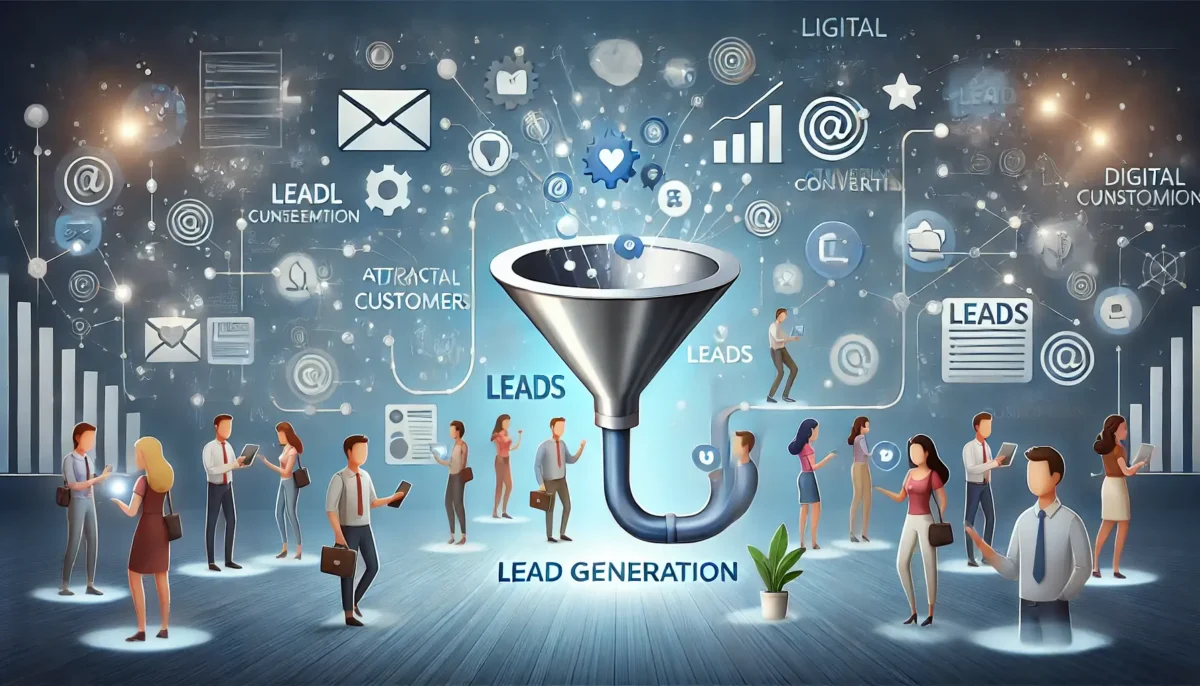
7 Easy Lead Generation Strategies to Grow Your Small Business
Running a small business without a steady flow of leads is like fishing without bait. You can wait all day, but nothing will bite. If you are tired of chasing customers instead of attracting them, this article is for you.
The good news? You don’t need a huge budget or a marketing team to generate quality leads. You just need the right strategies applied the right way.
In this article, I’ll share seven proven lead generation strategies designed specifically for small businesses. These methods are simple, affordable, and actually work.
What Is Lead Generation?
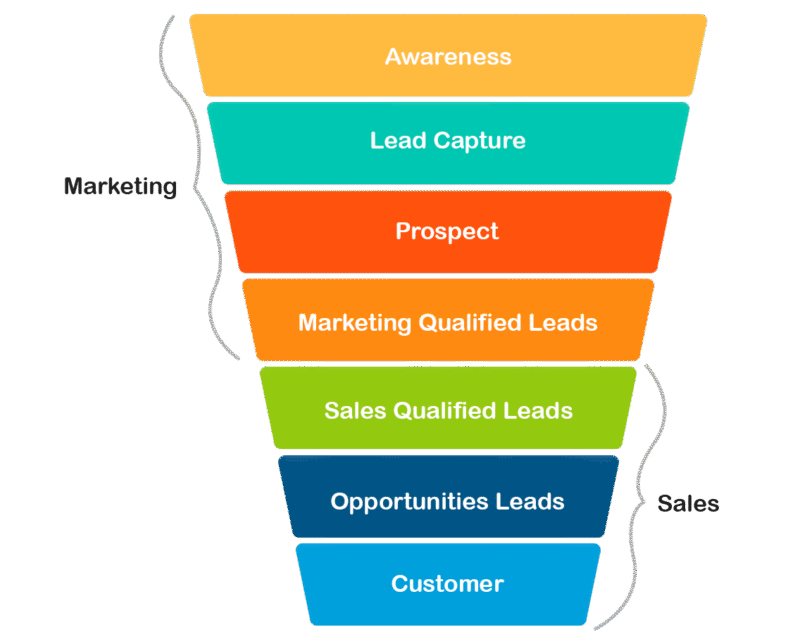
Lead generation is the process of attracting potential customers and turning their interest into contact information, such as an email address or phone number. Once you have this information, you can nurture these leads until they become paying customers.
Now, let’s dive into the strategies that actually work.

1. Optimize Your Website for Search Engines
First and foremost, your website needs to appear in search results when potential customers are looking for the products or services you offer. This is where Search Engine Optimization (SEO) comes in. SEO is one of the most cost-effective strategies for generating long-term, targeted leads.
Here are some key SEO practices to follow:
- Research relevant keywords that your target customers are searching for.
- Create high-quality, helpful content around those keywords.
- Optimize page titles, meta descriptions, headings, and URLs for search engines and users.
- Build high-quality backlinks from relevant and trustworthy websites.
- Improve website speed and mobile performance to provide a better user experience.
- Optimize your website for search intent so your content matches what users are actually looking for.
When your website ranks higher for relevant search queries, you can attract organic traffic from people who are already interested in your products or services. This can help generate consistent leads without paying for every visitor.
However, SEO is a long-term strategy and usually takes time to produce significant results. You may not see major improvements overnight, but consistent optimization can help your website build authority, rankings, traffic, and leads over time.
Finally, don’t forget to guide visitors toward the next step. Add a clear call-to-action (CTA) such as “Get a Free Quote,” “Book a Call,” “Request a Consultation,” or “Contact Us” on relevant pages. A strong CTA makes it easier for visitors to take action and can improve your website’s conversion rate.

2. Leverage Social Media Marketing
Social media platforms provide an excellent opportunity to connect with your target audience, build brand awareness, and generate leads. Whether your customers are active on Facebook, Instagram, LinkedIn, or other platforms, maintaining a strong and consistent presence can help your business grow.
Start with these steps:
- Choose the right platforms: Focus on the social media channels where your target audience is most active.
- Share valuable content regularly: Post educational, informative, and engaging content that addresses your audience’s needs and interests.
- Engage with your audience: Respond to comments, messages, and questions to build relationships and trust.
- Use targeted advertising: Run paid social media campaigns to reach specific audiences based on factors such as interests, location, demographics, and behavior.
- Build a community: Encourage conversations and interactions around your brand rather than simply promoting your products or services.
Social media also allows you to connect directly with potential customers. You can answer their questions, share useful tips, showcase your expertise, and address their concerns. Over time, these interactions can strengthen trust and turn followers into potential customers.
One of the biggest advantages of social media marketing is that you can start with organic content at little or no cost. As your audience and understanding of the platform grow, you can gradually invest in paid advertising to expand your reach and generate more targeted leads.
3. Create Valuable Content Marketing
Content marketing helps you attract potential customers, build trust, and establish your business as an authority in your industry. Instead of directly promoting your products or services, focus on creating content that answers questions, solves problems, and provides genuine value to your target audience.
Types of content to create:
- Blog articles
- Videos
- Infographics
- Podcasts
- E-books and guides
- Case studies
When your content consistently addresses your audience’s needs and challenges, people are more likely to trust your expertise and consider your business when they are ready to make a purchase.
Quality content can also attract backlinks, social shares, and organic traffic, which can support your overall SEO strategy. As a result, content marketing can contribute to both brand awareness and long-term lead generation.

4. Build an Email List
Email marketing remains an effective way to nurture leads and maintain relationships with potential and existing customers. Unlike social media followers, an email list gives you a direct channel to communicate with people who have shown interest in your business.
Here’s how to build your email list:
- Offer something valuable, such as a free guide, discount, checklist, or trial.
- Add signup forms to relevant pages on your website.
- Promote your newsletter through your social media channels.
- Collect email addresses at events or in-store, where appropriate.
- Use an email marketing platform to manage subscribers and campaigns.
Once you have a subscriber list, send regular emails containing useful information, industry updates, helpful resources, and occasional promotional offers.
Most importantly, obtain proper consent before sending marketing emails. Following applicable privacy and email-marketing regulations helps protect your brand reputation and maintain trust with your subscribers.
5. Network and Build Partnerships
Networking remains an effective way to generate leads and build long-term business relationships. Connecting with industry professionals, potential customers, and complementary businesses can create opportunities that digital marketing alone may not provide.
Try these networking approaches:
- Attend industry events and conferences.
- Join local business groups and professional communities.
- Partner with complementary businesses.
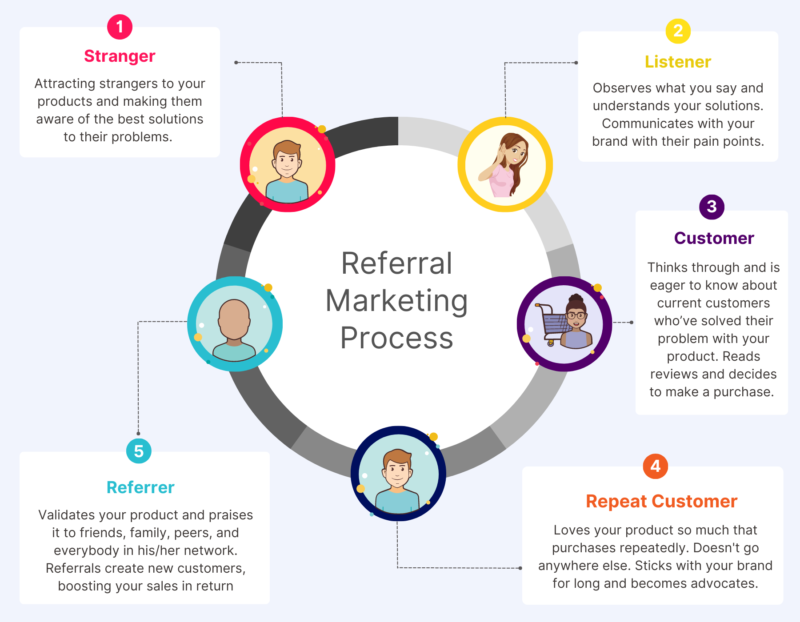
- Ask satisfied customers for referrals.
- Host webinars, workshops, or networking events.
Strategic partnerships can also help you reach a new audience. For example, a fitness trainer could partner with a healthy restaurant, with both businesses referring relevant customers to each other.
The key is to focus on creating mutually beneficial relationships rather than simply asking others for leads.
6. Use Google Business Profile and Local SEO
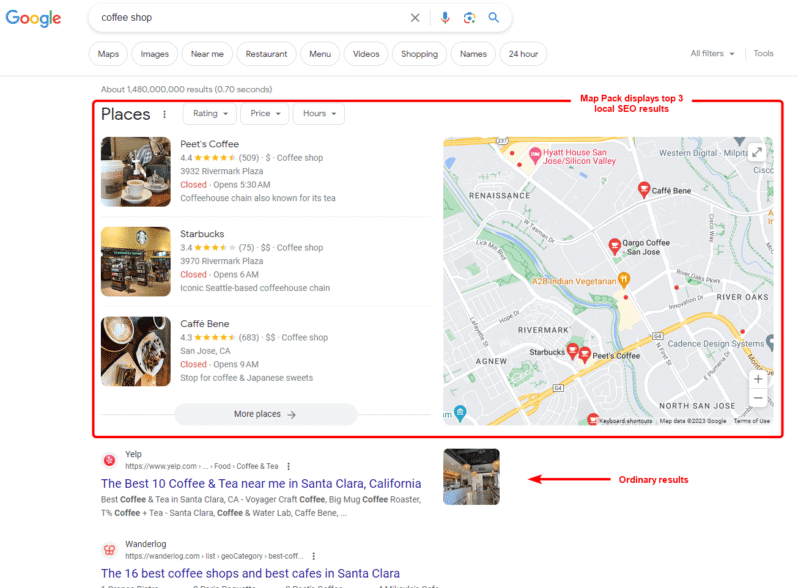
If your business serves customers in a specific location, Google Business Profile and local SEO can help potential customers discover your business when they search for relevant products or services nearby.
Key steps to optimize your Google Business Profile:
- Claim and verify your business profile.
- Keep your business name, address, phone number, and hours accurate.
- Add high-quality photos and relevant business information.
- Encourage genuine customer reviews.
- Respond professionally to customer reviews.
- Share relevant updates, offers, and business information.
Local SEO can also help your business appear in relevant local search results and Google Maps, potentially increasing website visits, phone calls, directions, and in-person enquiries.
Customer reviews are particularly valuable because they can influence both customer trust and local visibility. Encourage genuine customers to share their experiences, but avoid incentivizing or manipulating reviews.
7. Run Targeted Paid Advertising
While organic marketing strategies can take time to generate results, paid advertising can help businesses reach their target audience more quickly. Platforms such as Google Ads and social media advertising allow you to target users based on factors such as search intent, location, interests, demographics, and behavior.
Popular paid advertising platforms include:
- Google Ads
- Facebook Ads
- Instagram Ads
- LinkedIn Ads
If you’re new to paid advertising, start with a controlled budget and test different audiences, ad creatives, offers, and messaging. Analyze the results and gradually increase your investment in campaigns that perform well.
Most importantly, track your advertising performance carefully. Monitor metrics such as cost per lead (CPL), conversion rate, click-through rate (CTR), and return on ad spend (ROAS).
Instead of simply focusing on how many clicks or impressions your ads receive, focus on whether those clicks are generating qualified leads and profitable customers.
Conclusion
Generating leads for your small business doesn’t have to be complicated or expensive. By consistently implementing the seven strategies discussed above, you can attract relevant prospects, build trust, and create more opportunities for business growth.
However, you don’t need to implement every strategy at once. Start with the channels that best match your target audience, business goals, and available resources. Test different approaches, track your results, and focus more on the strategies that generate qualified leads and conversions.
Remember, consistency is key. SEO, content marketing, social media, email marketing, networking, local SEO, and paid advertising can deliver better results when they work together as part of a well-planned marketing strategy.
Start small, measure your progress, learn from the data, and gradually expand your efforts. With the right strategy and consistent execution, you can build a sustainable lead-generation system that supports long-term business growth.
Frequently Asked Questions
1. What is the easiest lead generation strategy for beginners?
Starting with a simple lead magnet, like a free checklist or discount, combined with a basic contact form on your website, is one of the easiest ways to begin.
2. How long does it take to see results from lead generation?
It varies, but most small businesses start seeing measurable results within 4 to 8 weeks, depending on consistency and the strategies used.
3. Do I need a big budget to generate leads?
No. Many effective strategies, such as local SEO, referral programs, and social media marketing, require little to no budget, just consistent effort.
4. How many leads should a small business aim for each month?
This depends on your industry and sales cycle, but setting a realistic monthly goal, such as 20 to 50 qualified leads, is a good starting point for most small businesses.
5. Is email marketing still effective in 2026?
Yes. Email marketing remains one of the highest ROI channels because it allows direct, personalized communication with your leads.

Digital Marketing & Project Manager with 11+ years of experience driving B2B/B2C growth. Specializes in scalable strategies that consistently deliver impressive results, including 40-80% revenue growth, 50%+ traffic boosts, and 35% MQL conversions. Proficient in digital marketing techniques such as SEO, SEM, PPC, social media, email marketing, and utilizing marketing automation tools like Marketo, HubSpot, and Salesforce. Demonstrated success in managing marketing budgets exceeding $1.3M and leading cross-functional teams to achieve 25-70% revenue and client growth. Skilled at aligning digital roadmaps with business goals for clients. Adept in data analysis and web analytics to inform decision-making. Known for pioneering AI-driven campaigns and leveraging predictive trends for a competitive edge.