Want to rank higher on Google without risking penalties? Instead of taking shortcuts, focus on ethical SEO practices that deliver long-term results.
Link building remains one of the most powerful ranking factors in SEO. However, not all links are created equal. In 2026, Google’s algorithms are smarter than ever, and they reward websites that earn links naturally through ethical practices. That is exactly what white hat link building is all about.
In this guide, we will explore the best white hat link building strategies that can help you grow your website authority, boost organic traffic, and stay safe from algorithm updates.
What Is White Hat Link Building?
White hat link building refers to ethical techniques used to earn backlinks from reputable websites. These methods follow Google’s Webmaster Guidelines completely. Unlike black hat tactics such as buying links or using link farms, white hat strategies focus on creating genuine value. As a result, the links you earn are long-lasting and beneficial for your overall SEO health.
Moreover, white hat link building is not just about rankings. It also helps you build relationships, increase brand awareness, and establish thought leadership in your niche.
Why White Hat Link Building Matters in 2026
Google continues to update its algorithm to fight spammy and manipulative links. In 2026, websites caught using black hat techniques face severe penalties, including complete removal from search results. Therefore, investing in white hat strategies is not just smart — it is essential for long-term success.
Additionally, white hat links drive real referral traffic. When a trusted website links to your content, their audience clicks through to learn more. This means you get visitors who are genuinely interested in what you offer.
Top White Hat Link Building Strategies for 2026
1. Create Link-Worthy Content
The foundation of every successful Internal link building campaign is outstanding content. In 2026, thin or generic content simply will not attract links. Instead, focus on creating in-depth guides, original research, case studies, infographics, and data-driven reports.
For example, if you publish a well-researched industry report with unique statistics, bloggers and journalists will naturally cite and link to it. Content that solves real problems and answers specific questions tends to attract the most backlinks over time.
2. Guest Blogging on Authority Sites
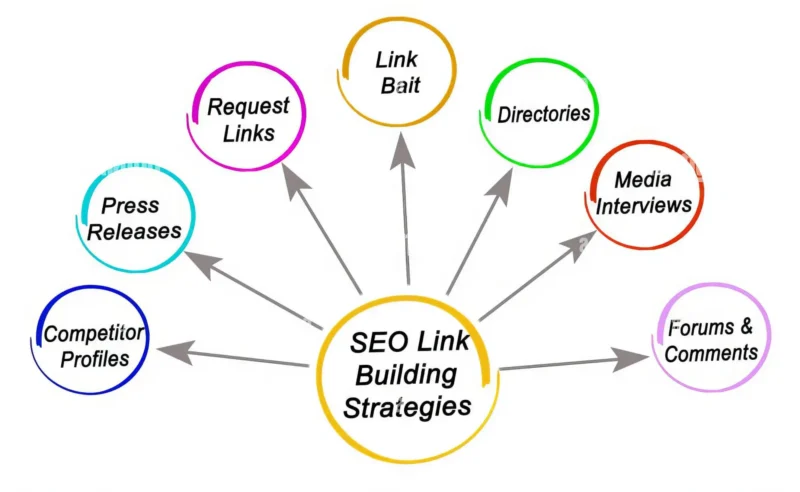
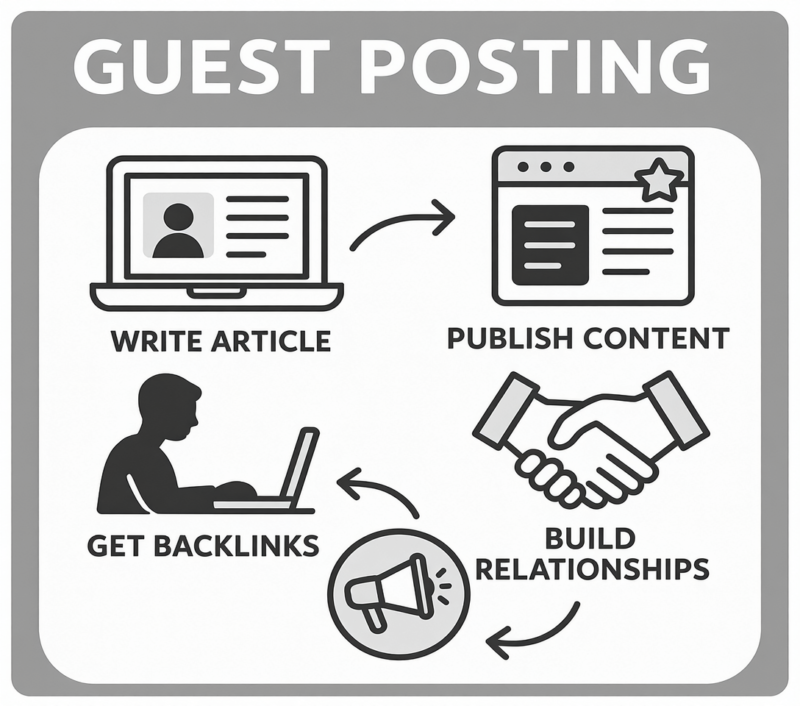
Guest blogging remains one of the most effective white hat strategies. The key is to target high-quality websites in your niche that accept guest contributions. When you write a helpful, informative article for another website, you earn a contextual backlink in return.
However, avoid low-quality guest posting sites that exist solely for link exchange. Instead, focus on websites with real audiences, strong domain authority, and genuine editorial standards. This approach builds credibility and drives targeted traffic to your website.
3. Broken Link Building
Broken link building is a clever yet ethical strategy. Here is how it works: you find broken links on relevant websites, then reach out to the site owner and suggest your own content as a replacement. This approach is a win-win because you help the webmaster fix a bad user experience while earning a valuable backlink.
To get started, use tools like Ahrefs, Check My Links, or Screaming Frog to find broken links on authority websites in your industry. Then, craft a polite and personalized outreach email with your suggestion.
4. Digital PR and Expert Commentary
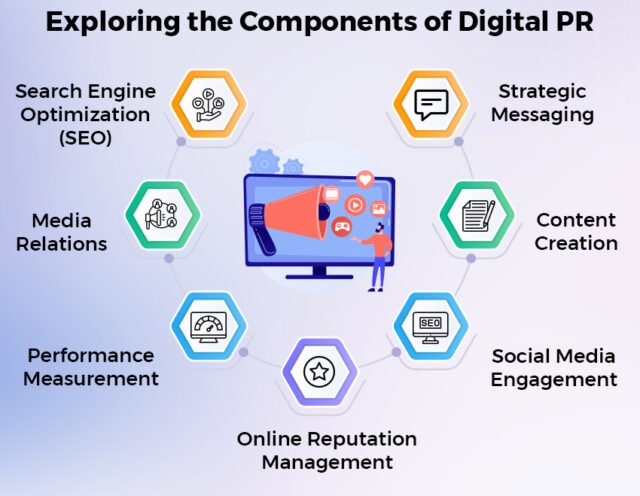
Digital PR has become a major link building channel in 2026. Platforms like HARO (Help a Reporter Out), Qwoted, and Connectively allow you to respond to journalist queries with expert insights. When a journalist uses your quote or expertise in their article, they typically link back to your website.
Furthermore, issuing press releases for newsworthy events — such as product launches, partnerships, or research findings — can earn high-authority links from news websites and industry publications.
5. Resource Page Link Building
Many websites maintain curated resource pages that list helpful tools, articles, and guides in a specific niche. If your content genuinely deserves a spot on one of these pages, you can reach out to the website owner and request inclusion.
To find resource pages, use search queries like “your niche + resources,” “your niche + useful links,” or “your niche + recommended reading.” Then, evaluate each page for relevance and quality before sending your pitch.
6. Skyscraper Technique
The Skyscraper Technique, popularized by Brian Dean, is still highly effective in 2026. The idea is simple: find popular content in your niche that already has many backlinks, then create something even better. Your improved content might include updated data, better visuals, more actionable tips, or a more comprehensive scope.
Once your content is published, reach out to the websites that linked to the original piece and let them know about your superior resource. Since they already value that topic, they are more likely to update their link.
7. Build Genuine Relationships
In 2026, link building is increasingly about relationships rather than transactions. Engage with influencers, bloggers, and industry leaders on social media. Comment on their articles, share their content, and offer genuine support.
Over time, these relationships lead to natural link opportunities. When someone knows and trusts you, they are far more likely to link to your content without being asked.
8. Testimonials and Reviews
Many companies love showcasing customer testimonials on their websites. By providing a detailed, honest testimonial for a product or service you genuinely use, you can earn a backlink from their testimonial page. This strategy is simple, ethical, and often overlooked.
9. Podcast Appearances and Interviews
Podcasts continue to grow in popularity. Appearing as a guest on relevant podcasts in your industry not only builds your personal brand but also earns backlinks from podcast show notes pages. Many podcast hosts link to their guests’ websites, social profiles, and mentioned resources.
10. Community Participation and Forums
Participating in niche communities like Reddit, Quora, and industry-specific forums can indirectly support your link building efforts. By providing valuable answers and insights, you build authority and attract attention to your brand. While most forum links are nofollow, the visibility and referral traffic they generate can lead to natural editorial links from bloggers and journalists who discover your expertise.
Common Mistakes to Avoid
While pursuing white hat links, avoid these common pitfalls:
- Buying links: This violates Google’s guidelines and can result in penalties.
Over-optimized anchor text: Use natural, varied anchor text instead of exact-match keywords every time. - Ignoring relevance: A link from a related website is far more valuable than one from an unrelated source.
- Spammy outreach: Personalize your emails and focus on building real connections.
- Quantity over quality: A few high-quality links are worth more than hundreds of low-quality ones.
Conclusion
White hat link building in 2026 is all about patience, quality, and genuine value. There are no shortcuts to sustainable SEO success. By creating outstanding content, building real relationships, and following ethical practices, you can earn backlinks that boost your rankings and drive real traffic.
Remember, the goal is not just to get more links — it is to build a website that people trust, share, and reference naturally. Start implementing these strategies today, and you will see compounding results over time.
The websites that win in 2026 are the ones that earn their links — not the ones that chase them.
Frequently Asked Questions (FAQs)
Q1: What is the difference between white hat and black hat link building?
White hat link building uses ethical methods that follow Google’s guidelines, such as creating great content and earning links naturally. Black hat link building uses manipulative tactics like buying links, link farms, and automated link schemes, which can lead to penalties.
Q2: How long does it take to see results from white hat link building?
Typically, you can start seeing results within 3 to 6 months. However, the timeline depends on your niche competitiveness, the quality of links earned, and your overall SEO strategy. White hat methods take longer but deliver sustainable, long-term results.
Q3: Are nofollow links useful for SEO in 2026?
Yes, nofollow links still have value. While they may not pass direct link equity, they contribute to a natural link profile, drive referral traffic, and increase brand visibility. A healthy mix of dofollow and nofollow links looks more organic to search engines.
Q4: How many backlinks do I need to rank on the first page of Google?
There is no fixed number. The number of backlinks needed depends on your niche, keyword difficulty, and competitors. Focus on earning high-quality, relevant links rather than chasing a specific number. Quality always beats quantity in 2026.
Q5: Can I do link building without spending money?
Absolutely. Many white hat strategies are free, including guest blogging, broken link building, HARO participation, creating link-worthy content, and building relationships on social media. The main investment is your time and effort.
Q6: Is guest posting still effective in 2026?
Yes, guest posting is still effective when done correctly. The key is to contribute high-quality, original content to reputable websites in your niche. Avoid mass guest posting on low-quality sites, as this can harm your SEO.
Q7: What tools can help with white hat link building?
Popular tools include Ahrefs, SEMrush, Moz, BuzzStream, Hunter.io, and Check My Links. These tools help you find link opportunities, analyze competitors’ backlinks, manage outreach campaigns, and monitor your link profile health.
Digital Marketing & Project Manager with 11+ years of experience driving B2B/B2C growth. Specializes in scalable strategies that consistently deliver impressive results, including 40-80% revenue growth, 50%+ traffic boosts, and 35% MQL conversions. Proficient in digital marketing techniques such as SEO, SEM, PPC, social media, email marketing, and utilizing marketing automation tools like Marketo, HubSpot, and Salesforce. Demonstrated success in managing marketing budgets exceeding $1.3M and leading cross-functional teams to achieve 25-70% revenue and client growth. Skilled at aligning digital roadmaps with business goals for clients. Adept in data analysis and web analytics to inform decision-making. Known for pioneering AI-driven campaigns and leveraging predictive trends for a competitive edge.