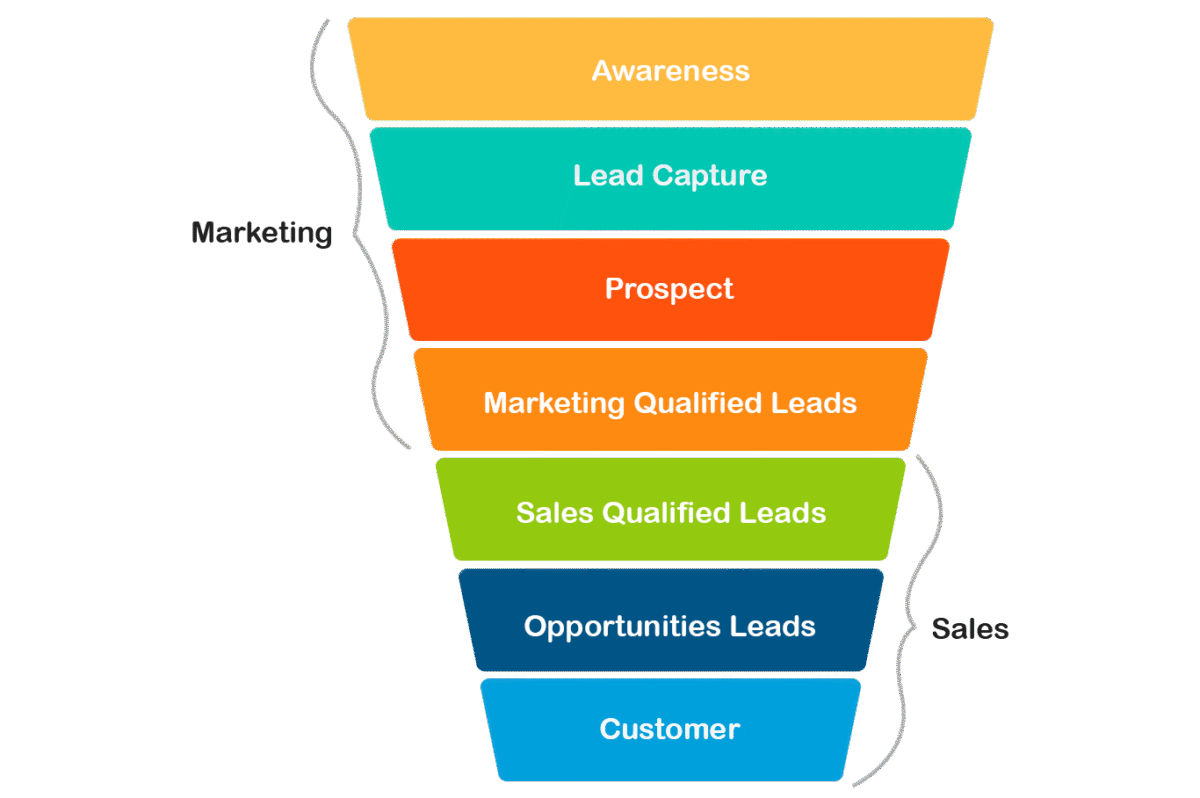
Is your sales pipeline running dry?
You are not alone, and the good news is that it can be fixed.
Every business needs customers to grow. But customers do not just appear out of thin air. They come from leads, and leads come from a strong plan. If your current plan is not working, your sales will suffer.
Many business owners ignore the warning signs. They keep doing the same things and hope for different results. However, hope is not a strategy. In this article, you will learn the five clear signs that your business needs a better lead generation strategy. You will also learn what to do about each one.
Let’s get started.
What Is a Lead Generation Strategy?
A lead generation strategy is a plan to attract people who may want to buy from you. These people are called leads. The plan includes the channels you use, the content you share, and the way you follow up with each person.
A good strategy brings the right people to your business at the right time. A weak strategy wastes your time and money. Therefore, it is important to know when your plan needs an upgrade.
Sign 1: Your Sales Pipeline Is Always Empty
If your sales team has nobody to call, something is broken.
The first and most obvious sign is a slow or empty pipeline. Your sales team may spend more time searching for prospects than talking to them. Some months you may get a few leads, and other months you may get none.
This up-and-down pattern shows that you depend on luck instead of a system. A steady flow of leads should arrive every week. Without it, planning your revenue becomes very hard.
How to fix it:
- Add more lead sources, such as SEO, social media, email, and referrals.
- Set a clear monthly lead target.
- Track where each lead comes from.
As a result, you will build a pipeline that stays full, not one that fills up only by chance.
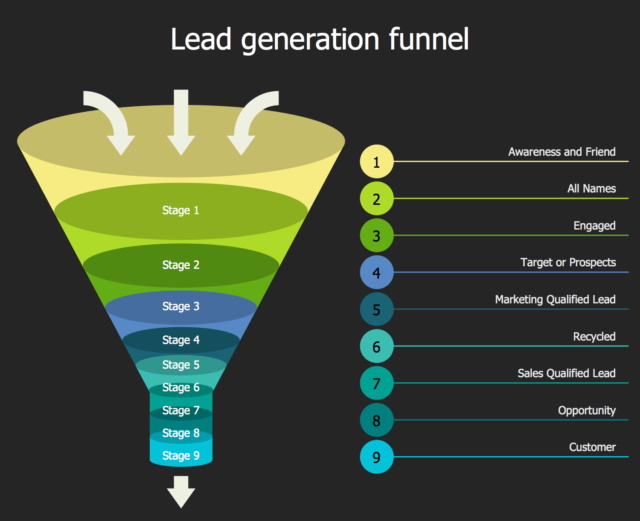
Sign 2: You Get Plenty of Leads, but Few Turn Into Customers
More leads do not always mean more sales.
Sometimes the problem is not the number of leads. It is the quality. You may get many form fills, calls, or messages, yet very few people actually buy. This means you are attracting the wrong audience.
For example, imagine you sell premium accounting software for large companies. If your ads reach small freelancers, you will get clicks but no sales. Your team then wastes hours on people who were never a good fit.
How to fix it:
- Define your ideal customer clearly. Include their job title, budget, and main problem.
- Use lead scoring to rank leads by how likely they are to buy.
- Add a few smart questions to your forms to filter out poor matches.
In short, focus on quality first. Quantity will follow.
Sign 3: Your Cost Per Lead Keeps Going Up
Are you paying more each month for the same results?
Rising costs are a big red flag. If you spend more on ads, tools, or events but get the same number of leads, your strategy is losing strength. Sometimes the market changes. Sometimes your competitors improve. In either case, your old methods stop working.
Many businesses rely on only one channel, such as paid ads. When ad prices rise, their whole lead flow suffers. Consequently, they feel trapped.
How to fix it:
- Calculate your cost per lead for every channel.
- Cut the channels that cost too much and give too little.
- Invest in long-term options like blog content and SEO.
- These bring leads for months or even years without paying for every click.
Furthermore, testing small changes in your ads and landing pages can lower your costs quickly.
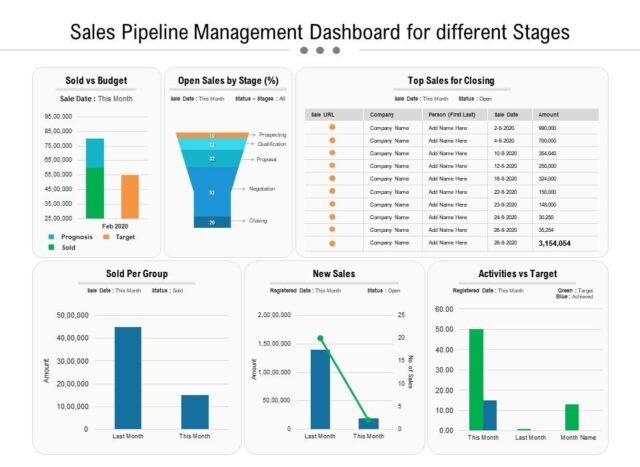
Sign 4: Your Website Gets Traffic but Few Enquiries
Visitors who leave without acting are lost opportunities.
Look at your website data. Do many people visit, but only a few fill out a form or call you? If so, your website is not turning visitors into leads. This problem is very common.
There are several possible reasons. Your message may be unclear. Your page may load slowly. Your call-to-action button may be hard to find. Or your offer may not feel valuable enough.
How to fix it:
- State clearly what you do and who you help in the first few seconds.
- Add strong, visible call-to-action buttons, such as “Get a Free Quote.”
- Offer something useful in exchange for contact details. Examples include a checklist, a guide, or a free consultation.
- Make sure your site loads fast and works well on mobile phones.
Because most people browse on their phones today, a poor mobile experience can cost you many leads.
Sign 5: Your Sales and Marketing Teams Are Not Aligned
When two teams work separately, leads fall through the cracks.
The last sign is often hidden. Marketing says, “We sent you great leads.” Sales says, “Those leads are useless.” Sound familiar? This blame game shows that both teams lack a shared plan.
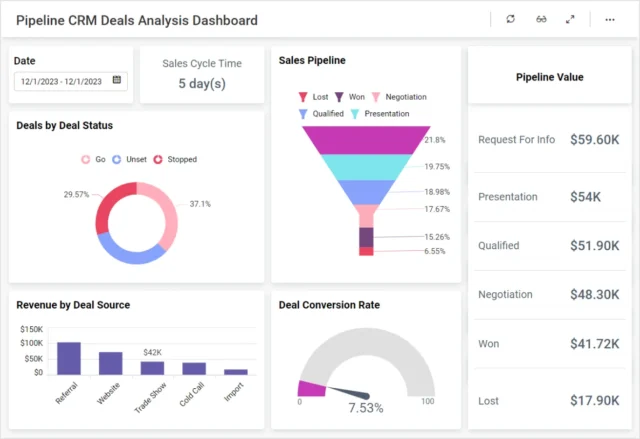
Without alignment, leads may wait days for a reply. Some may never get a follow-up at all. Studies show that fast responses greatly improve the chance of winning a customer. Therefore, delays can be very costly.
How to fix it:
- Agree on what a “good lead” looks like.
- Use a simple CRM tool so both teams can see each lead’s progress.
- Set a rule to respond to new leads within a few hours.
- Hold short weekly meetings to share feedback.
When both teams work toward the same goal, lead quality and conversion rates improve.
How to Build a Better Lead Generation Strategy
Now that you know the warning signs, here is a simple path forward. First, study your current results. Second, find the biggest weak point. Third, fix one problem at a time.
Here are a few proven ideas to consider:
- Content marketing: Write helpful blog posts that answer your customers’ questions.
- Email marketing: Stay in touch with people who showed interest but did not buy yet.
- Social media: Share useful tips and connect with your audience on the platforms they use.
- Referral programs: Reward happy customers for bringing in new ones.
- Retargeting ads: Show ads to people who visited your site but left.
Also, remember to measure your results. Check your numbers every month. What gets measured gets improved.
Conclusion
A weak lead generation strategy can quietly hurt your business. Watch for these five signs: an empty pipeline, poor lead quality, rising costs, low website conversions, and misaligned teams. If you notice even one of them, take action today.
Start small. Pick one problem, apply the fixes above, and track the results. Over time, these small changes will build a steady stream of quality leads and help your business grow with confidence.
Frequently Asked Questions (FAQs)
1. What is lead generation in simple words?
Lead generation is the process of attracting people who may be interested in your product or service and collecting their contact details so you can follow up.
2. How do I know if my lead generation is working?
Check your numbers. Look at how many leads you get, how many become customers, and how much each lead costs. If results are steady and costs are stable, your plan is working.
3. Which lead generation channel is best for small businesses?
There is no single best channel. However, SEO, email marketing, and referrals are often affordable and effective for small businesses.
4. How often should I review my lead generation strategy?
Review it at least once every quarter. If you see sudden drops in results, check it sooner.
5. What is the difference between a lead and a customer?
A lead is someone who has shown interest in your business. A customer is someone who has actually bought from you.
6. How long does it take to see results from a new strategy?
Paid ads can bring leads within days. SEO and content marketing usually take three to six months to show strong results.
Explore more insights on Digital Pocket News to stay updated on modern project management, AI workflows, and digital transformation strategies.
Also, If you want to not only stayed updated but also apply modern project management then EDM Digital is there to help you out!
Digital Marketing & Project Manager with 11+ years of experience driving B2B/B2C growth. Specializes in scalable strategies that consistently deliver impressive results, including 40-80% revenue growth, 50%+ traffic boosts, and 35% MQL conversions. Proficient in digital marketing techniques such as SEO, SEM, PPC, social media, email marketing, and utilizing marketing automation tools like Marketo, HubSpot, and Salesforce. Demonstrated success in managing marketing budgets exceeding $1.3M and leading cross-functional teams to achieve 25-70% revenue and client growth. Skilled at aligning digital roadmaps with business goals for clients. Adept in data analysis and web analytics to inform decision-making. Known for pioneering AI-driven campaigns and leveraging predictive trends for a competitive edge.