The Silent Struggle of Every Website Owner
Getting visitors to your website is only the first step.
The real challenge is turning those visitors into paying customers.
Many websites get traffic but fail to generate enough leads or sales. Visitors may leave because the message is unclear, the website is difficult to use, or they do not trust the business yet.
The good news? You do not always need more traffic to get more customers.
Small improvements to your website, content, calls to action, and customer journey can help you convert more visitors into customers.
In this guide, we’ll explore practical ways to turn website visitors into paying customers.
1. Understand Your Website Visitor
First, learn who your visitors are. You should understand their needs, problems, goals, and buying concerns.
Ask yourself:
- What problem does your customer want to solve?
- What questions do they ask before buying?
- What could stop them from making a purchase?
- Why would they choose your business instead of a competitor?
- When you understand your audience, you can create content and offers that feel more relevant. As a result, visitors are more likely to stay on your website and take action.
You can learn about your audience through customer surveys, sales conversations, website analytics, and social media comments. Also, review customer support questions because they often reveal common concerns.
2. Create a Clear Value Proposition
Your value proposition tells visitors why they should choose you. It should be simple, direct, and easy to see.
A strong value proposition answers three basic questions:
- What do you offer?
- Who is it for?
- How does it help them?
For example:
Instead of saying, “We provide digital marketing solutions,” say, “We help small businesses get more leads through affordable online marketing.”
The second statement is clearer because it explains the audience and the benefit. Therefore, visitors can quickly understand what your business does.
Place your value proposition near the top of your homepage. Visitors should not have to scroll through several sections to understand your offer.
3. Improve Your Website Design
A professional website creates a positive first impression. On the other hand, a confusing or outdated website can reduce trust.
Make sure your website has:
- Simple navigation
- Readable fonts
- Clear headings
- Consistent colors
- High-quality images
- Enough white space
- Mobile-friendly pages
Your website should also guide visitors naturally from one section to the next.
For example, your homepage can introduce the problem, explain your solution, show benefits, and then present a call to action.
Avoid adding too many pop-ups, animations, or unnecessary design elements. These features can distract visitors and make the buying process harder.
4. Use Strong Calls to Action
A call to action, or CTA, tells visitors what to do next. Without a clear CTA, people may read your content and leave without taking action.
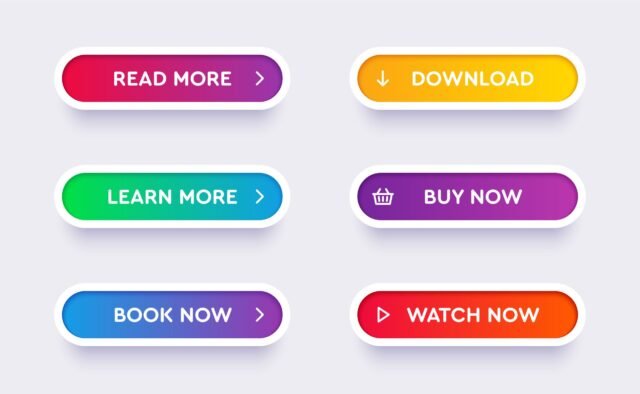
Use action-focused words such as:
- Buy Now
- Get Started
- Book a Free Call
- Request a Quote
- Download the Guide
- Start Your Free Trial
- Your CTA should explain the value of clicking.
For example, “Get My Free Website Review” is more appealing than “Submit.”
Place CTAs in important areas, including the homepage, product pages, blog posts, and contact page. However, do not overwhelm visitors with too many different actions.
5. Build Trust With Social Proof
People are more likely to buy when they see that others have had a good experience with your business. This is called social proof.
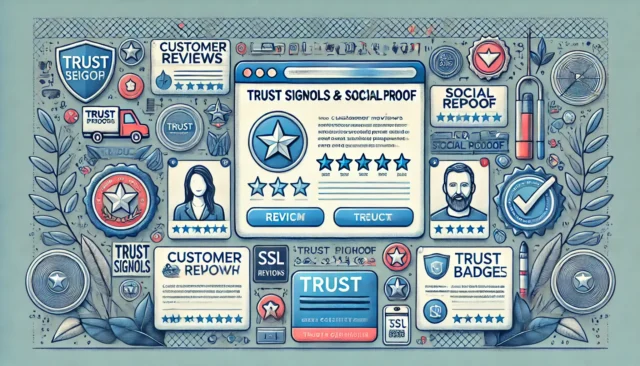
You can build trust by adding:
- Customer reviews
- Testimonials
- Case studies
- Ratings
- Client logos
- Before-and-after examples
- User-generated content
Whenever possible, include specific details in testimonials. “Great service” is helpful, but “This service helped us increase leads by 40% in three months” is more powerful.
Also, show real names, photos, business names, or job titles when you have permission. Specific information makes testimonials feel more genuine.
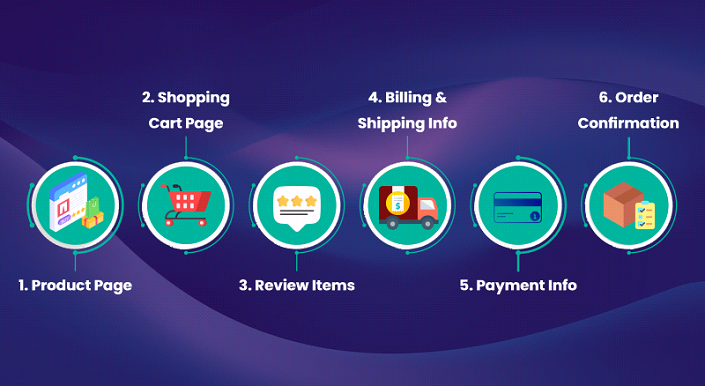
6. Make the Buying Process Simple
A complicated checkout process can cause visitors to abandon their purchase. Therefore, make the process as easy as possible.
Reduce the number of form fields and only ask for information you truly need. Offer popular payment methods and clearly display shipping fees, taxes, and delivery times.
You should also allow visitors to purchase without creating an account. Some people do not want to complete extra steps before paying.
In addition, make sure your forms work properly on mobile devices. Test every button, payment option, and confirmation page regularly.
7. Write Helpful and Persuasive Content
Good content helps visitors understand your product and feel confident about buying it. Your content should focus on customer benefits rather than only listing features.
For example, a feature is “24-hour battery life.” The benefit is “Use your device all day without charging it.”
Use simple language and short paragraphs. Explain how your product solves a problem, saves time, reduces costs, or improves results.
You can also answer common questions before visitors ask them. Product guides, comparison pages, tutorials, and buying guides can help people move closer to a purchase.
Furthermore, use clear headings and bullet points so readers can scan your content quickly.
8. Offer Something Valuable
Some visitors are not ready to buy immediately. Instead of losing them, give them a reason to stay connected with your business.
You could offer:
- A free trial
- A helpful checklist
- A discount
- A product demonstration
- A consultation
- A downloadable guide
- A newsletter
- An email offer can help you build a relationship with new visitors. After they sign up, send useful information, answer common questions, and introduce relevant products or services.
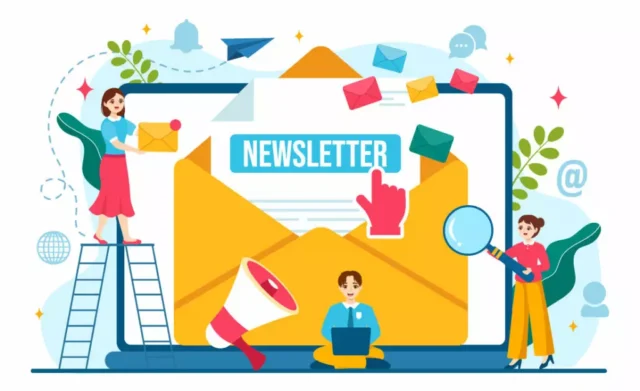
Avoid sending only sales messages. Helpful content builds trust and makes future offers more effective.
9. Use Live Chat and Fast Support
Visitors often leave because they cannot find an answer. Live chat, chatbots, and clear contact details can help remove this problem.
Answer questions about pricing, delivery, product features, returns, and setup. If you use a chatbot, make sure visitors can reach a real person when needed.
Fast support shows that your business cares about customers. It can also help you identify problems with your website, product pages, or checkout process.
10. Improve Website Speed and Mobile Experience
A slow website can reduce conversions. Many users will leave if a page takes too long to load, especially on mobile devices.
To improve speed:
- Compress large images
- Remove unused plugins
- Use reliable hosting
- Reduce unnecessary scripts
- Enable browser caching
- Test pages on mobile devices
- Your website should look and work well on phones, tablets, and computers.
Since many people shop on mobile devices, Mobile optimization is essential for turning visitors into customers.
11. Use Analytics and Test Your Pages
You cannot improve conversions without measuring results. Use tools such as Google Analytics and Google Search Console to understand visitor behavior.
Track metrics such as:
- Conversion rate
- Bounce rate
- Time on page
- Traffic sources
- Cart abandonment
- Form completion rate
- Most visited pages
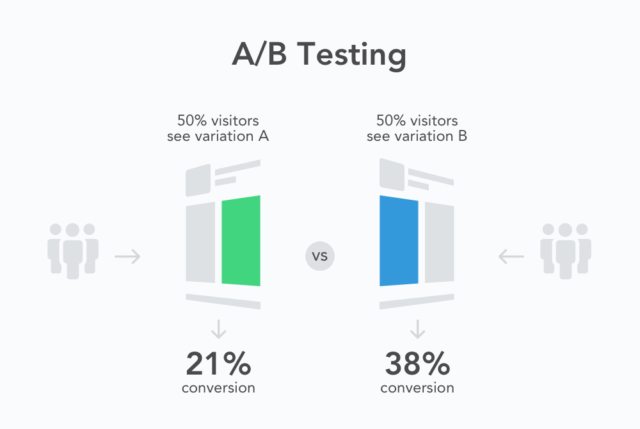
You can also run A/B tests. For example, test two different headlines, button colors, offers, or page layouts. Over time, these tests can show what works best for your audience.
Do not make major changes based only on guesses. Instead, use data to guide your decisions.
12. Follow Up With Interested Visitors
Not every visitor will buy during the first visit. Some may need more time, information, or trust before making a decision.
Use email marketing, remarketing ads, and follow-up messages to reconnect with interested visitors. You can remind them about products they viewed, share useful content, or offer a limited-time promotion.
However, follow-ups should be helpful and respectful. Avoid sending too many messages, as this can annoy potential customers.
Conclusion: Turn More Website Visitors Into Customers
Getting website traffic is important, but traffic alone does not grow your business.
To increase conversions, make your website easy to understand and easy to use. Show visitors the value of your offer, build trust with reviews and testimonials, and use clear calls to action.
You should also improve your website speed, simplify forms, create helpful content, and track your results with analytics.
Most importantly, understand what your visitors need.
When people quickly understand your offer and trust your business, they are more likely to take action and become paying customers.
Frequently Asked Questions
What is a good website conversion rate?
A good conversion rate depends on your industry, audience, offer, and traffic source. Many websites aim for 2% to 5%, but your main goal should be steady improvement.
How can I increase website sales quickly?
Start with simple changes. Improve your headline, make your CTA clearer, add testimonials, simplify checkout, and offer a strong reason to buy now.
Why do visitors leave my website without buying?
Visitors may leave because your website is slow, confusing, expensive, difficult to use, or missing important information. Poor trust signals and weak calls to action can also reduce sales.
How important are customer reviews?
Customer reviews are very important because they reduce doubt and show that others trust your business. Use honest, specific, and recent reviews whenever possible.
Should I offer discounts to increase conversions?
Discounts can help, but they should not be your only strategy. Try adding value through free trials, bonuses, guarantees, or helpful support before lowering your price.
How can I turn mobile visitors into customers?
Use responsive design, fast-loading pages, readable text, simple forms, mobile payment options, and large, easy-to-tap buttons. Always test your website on different mobile devices.
Digital Marketing & Project Manager with 11+ years of experience driving B2B/B2C growth. Specializes in scalable strategies that consistently deliver impressive results, including 40-80% revenue growth, 50%+ traffic boosts, and 35% MQL conversions. Proficient in digital marketing techniques such as SEO, SEM, PPC, social media, email marketing, and utilizing marketing automation tools like Marketo, HubSpot, and Salesforce. Demonstrated success in managing marketing budgets exceeding $1.3M and leading cross-functional teams to achieve 25-70% revenue and client growth. Skilled at aligning digital roadmaps with business goals for clients. Adept in data analysis and web analytics to inform decision-making. Known for pioneering AI-driven campaigns and leveraging predictive trends for a competitive edge.