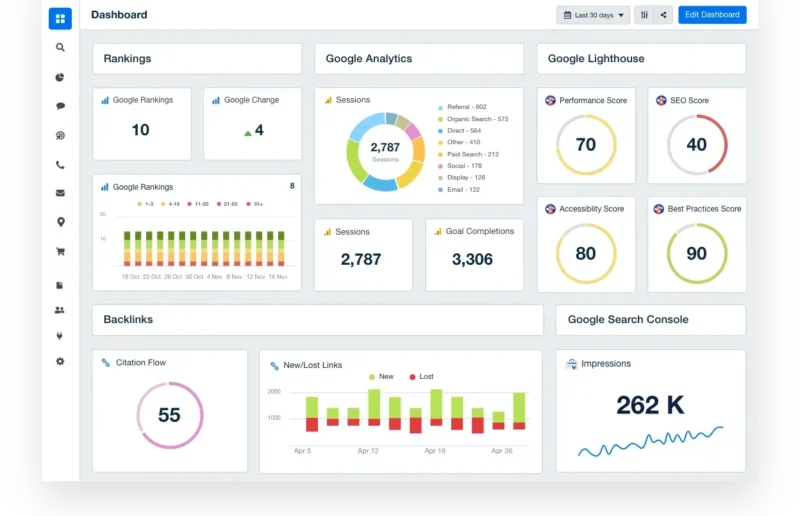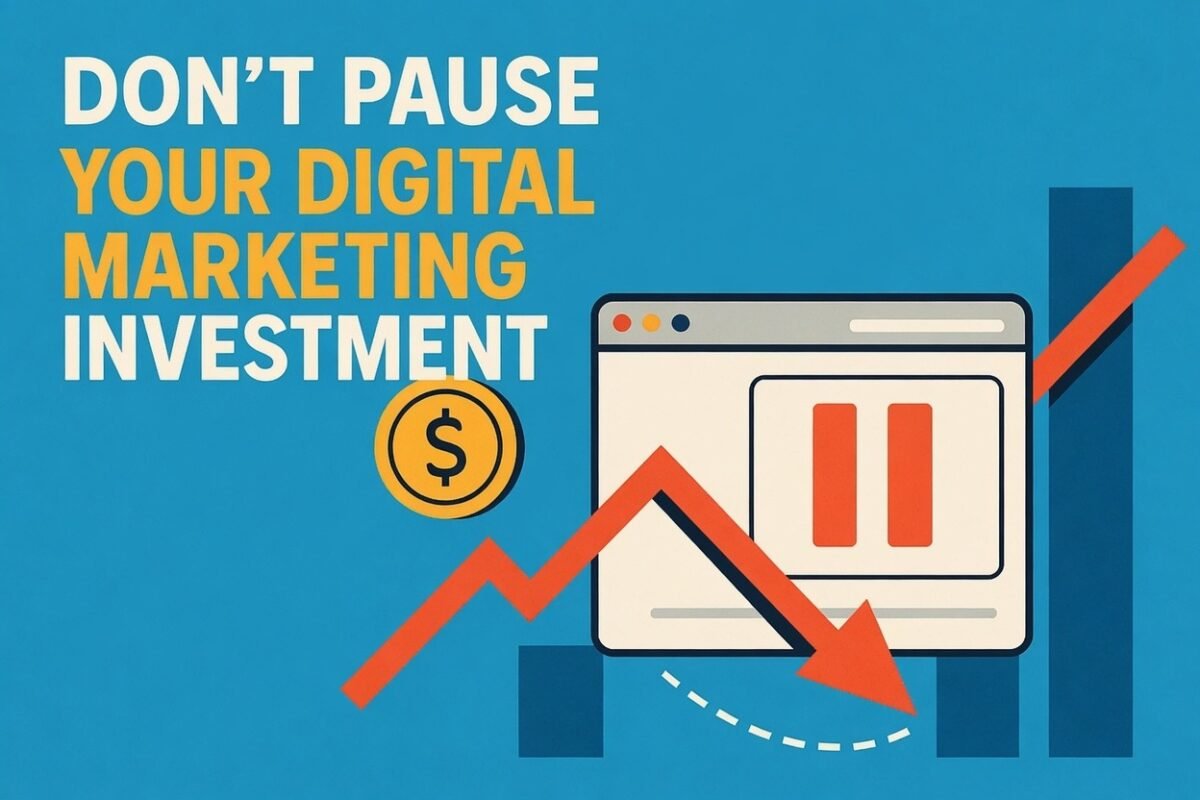
Before we dive into the effects, let’s understand why this happens in the first place. Many businesses pause SEO because of:
- Budget cuts
- Staff changes or agency switches
- Shifting focus to paid ads
- Thinking we’ve already ranked high, so we’re safe
Whatever the reason, stopping SEO always has consequences. And most of the time, those consequences show up faster than people expect.
1. Your Rankings Start to Slip
First, you will notice small drops in your search rankings. Google updates its algorithm thousands of times a year. Without ongoing SEO, your website cannot keep up with these changes.
Moreover, pages that once ranked on page one may slowly fall to page two or three. At first, the drop may seem small. But over time, these small drops add up. As a result, your website becomes harder to find for the keywords that once brought you customers.
2. Organic Growth Goes Off Track
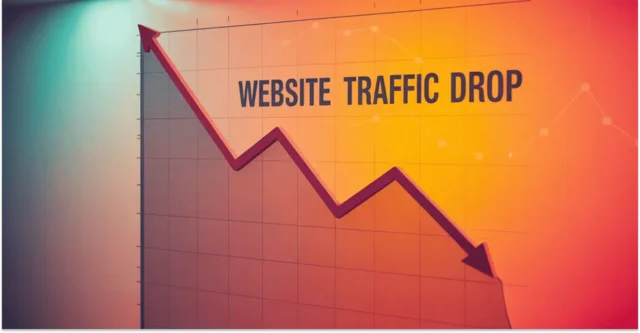
Ranking drops and traffic drops go hand in hand. In fact, studies show that most clicks go to the top three results on Google. Therefore, if your page falls from position 2 to position 8, your traffic could drop by more than half.
In addition, lower traffic means fewer leads, fewer sales, and less revenue. Think of it this way—your website is a shop, and SEO is the road that brings customers to your door. When you stop building that road, fewer people find you.
3. Competitors Steal Your Spot
Meanwhile, your competitors are not taking a break. Every day you stay inactive, someone else is publishing content, building links, and improving their pages.
As a result, they slowly climb up while you slide down. Even worse, winning back your old position becomes much harder later. In other words, the longer you wait, the more ground you lose.
4. Your Content Becomes Outdated
Furthermore, search engines love fresh content. Old blog posts with outdated facts, old statistics, and broken links send a weak signal to Google.
For example, if you wrote an article about “best marketing tools in 2022” and never updated it, users will skip it. In addition, Google notices when people quickly leave your page. This behavior, called a high bounce rate, can hurt your rankings even more.
5. Backlinks Lose Their Value
Backlinks act like votes of trust for your website. However, links can break or disappear over time. When websites shut down or delete pages, your backlinks vanish with them.
Without new links coming in, your link profile slowly weakens. Consequently, your website loses authority, and Google trusts your site less.
6. Technical Issues Go Unnoticed
On the other hand, SEO is not just about content. It also includes technical health—site speed, mobile-friendliness, broken pages, and crawl errors.
When you stop SEO, these problems pile up quietly. For instance, a broken checkout page or slow-loading images can frustrate visitors. Meanwhile, Google may struggle to crawl your site properly. As a result, even your healthy pages can suffer.
7. Local SEO Suffers Too
Local businesses feel the pain even faster. If you stop managing your Google Business Profile, your reviews slow down, your posts stop, and your business hours may become wrong.
Therefore, local customers searching for services near them will find your competitors instead. In short, ignoring local SEO for 3 months can cost you real foot traffic and phone calls.
8. Recovery Takes Longer Than You Think
Here is the biggest problem: losing rankings takes 3 months, but recovering them can take 6 to 12 months or even longer.
In other words, stopping SEO does not just pause your progress—it pushes you backward. You will need extra time, effort, and budget just to return to where you were before.
9. What Should You Do Instead of Stopping?
The good news? You do not have to choose between full-speed SEO and no SEO at all. Instead, consider a maintenance plan:
- Update old content once a month
- Fix technical issues every few weeks
- Publish one quality post instead of four
- Keep earning reviews for local SEO
- Track rankings so drops never surprise you
- By doing this, you protect your results while saving time and money.